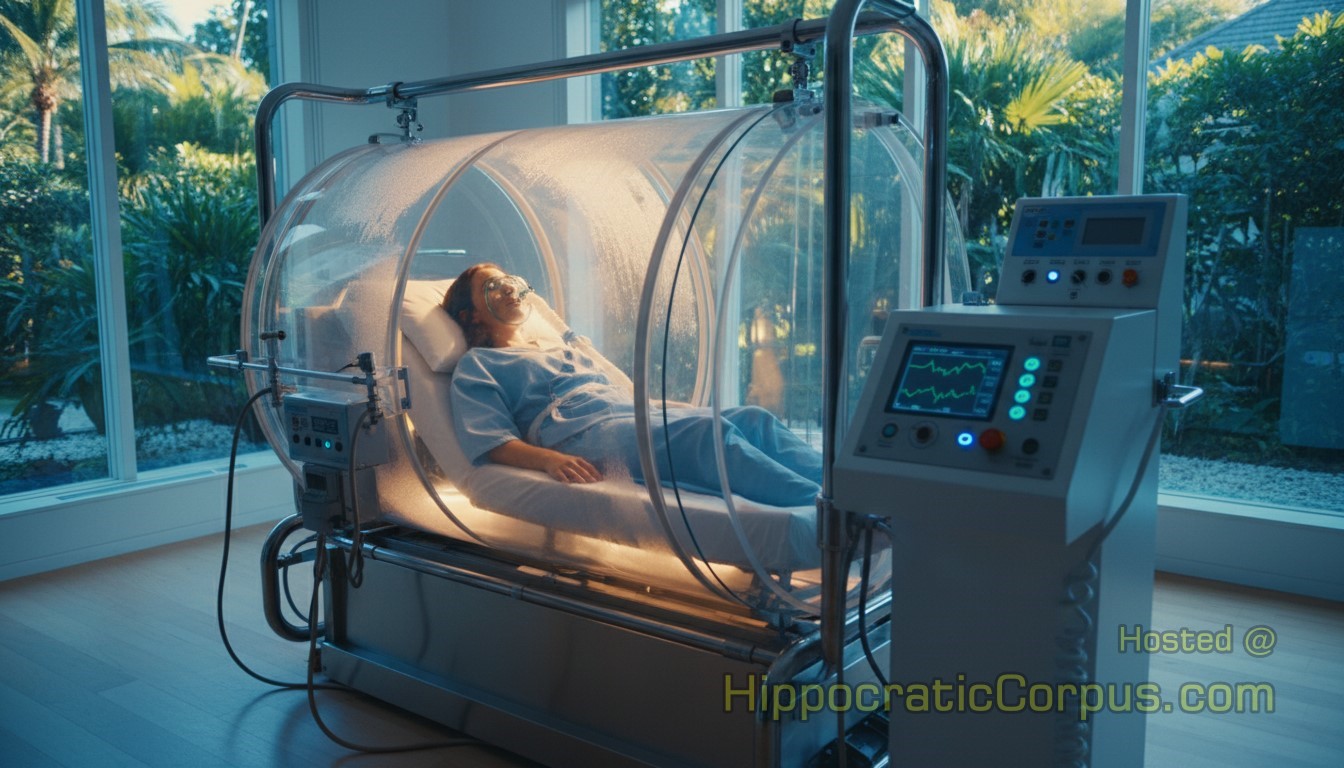
Hyperbaric Oxygen Therapy (HBOT) is a medical treatment that involves breathing 100% oxygen in a specially designed chamber where air pressure is increased to levels higher than normal atmospheric pressure. While originally developed primarily for divers experiencing decompression sickness, HBOT has since been used for various other conditions, from helping severe burn victims recover to… Continue reading Hyperbaric Oxygen Therapy – Mechanisms, Benefits and Considerations
Tag: Sensory Processing Disorder
Sensory Incongruence Can Be Interpreted as Threat by Brain and Trigger Stress Response

The idea that sensory incongruence can be interpreted as a threat by the brain and trigger a stress response is a well-established concept, although the precise mechanisms are still being investigated. In this article we break down the scientific basis of this phenomenon, look at some specific examples, and delve into directions for further research:… Continue reading Sensory Incongruence Can Be Interpreted as Threat by Brain and Trigger Stress Response
Who Treats Misophonia

Misophonia, also known as selective sound sensitivity syndrome, is a relatively newly recognized condition characterized by strong emotional and physiological reactions to specific sounds. Individuals with misophonia often experience intense feelings of anger, anxiety, disgust, or even outright rage in response to trigger sounds such as chewing, breathing, pen clicking, or tapping. These reactions can… Continue reading Who Treats Misophonia
Misophonia and Autism

Misophonia, a condition characterized by a strong emotional response to specific sounds, has gained increasing attention in recent years. People with misophonia often experience extreme anxiety, anger, or discomfort when exposed to trigger sounds such as chewing, slurping, or tapping. While misophonia is not officially recognized in the Diagnostic and Statistical Manual of Mental Disorders… Continue reading Misophonia and Autism
Misophonia Self-Care – Strategies to Manage Symptoms and Improve Well-Being

Misophonia, also known as selective sound sensitivity syndrome, is a relatively newly recognized condition characterized by a strong emotional and physiological reaction to specific sounds. Individuals with misophonia often experience intense feelings of anger, anxiety, or disgust in response to certain triggers, such as chewing, slurping, or tapping noises. This can significantly impact their quality… Continue reading Misophonia Self-Care – Strategies to Manage Symptoms and Improve Well-Being
Misophonia Tests – How to Diagnose and Confirm the Presence of the Condition
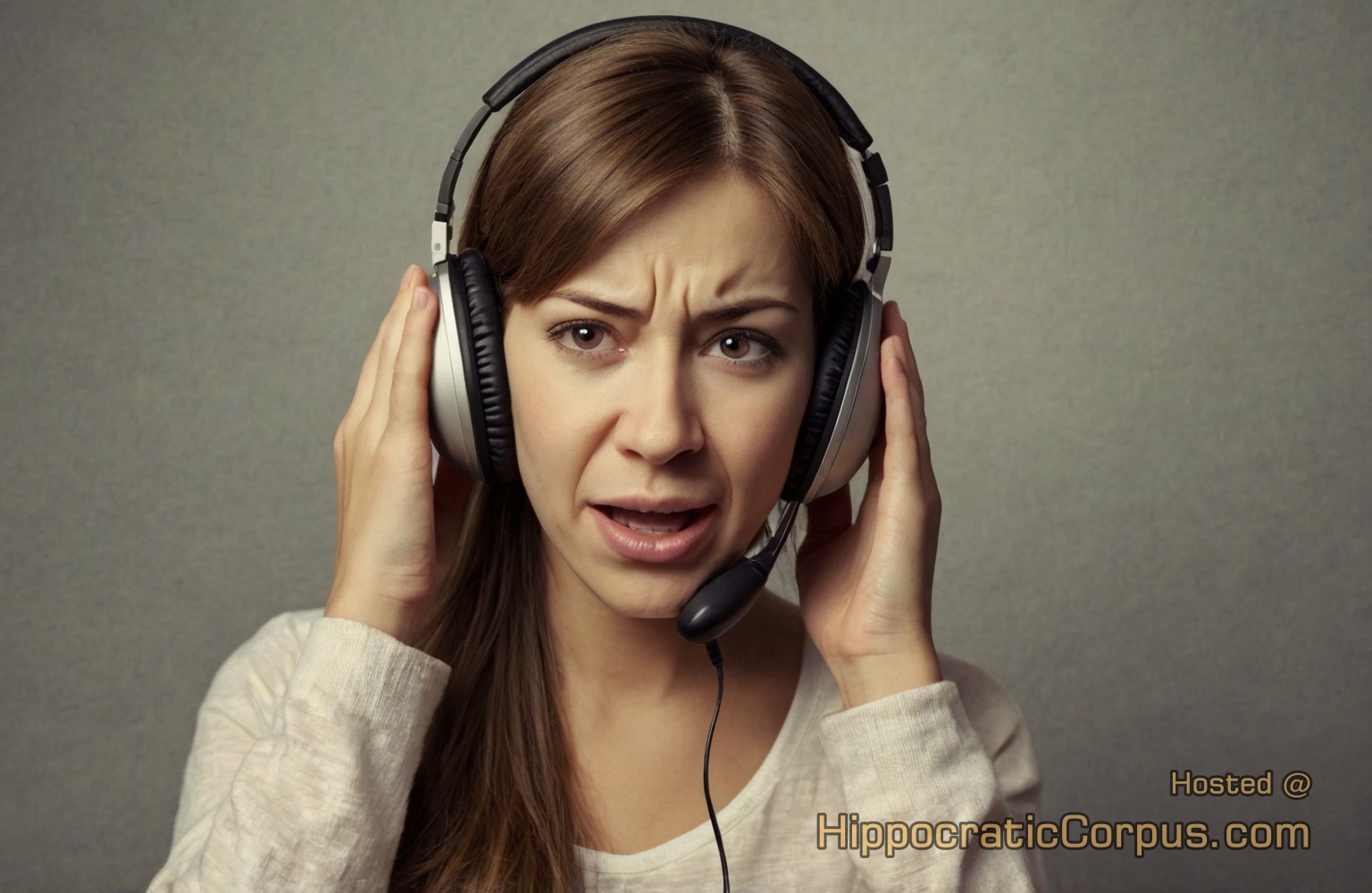
Misophonia, also known as selective sound sensitivity syndrome, is a condition in which individuals have strong emotional and physiological responses to specific sounds. These sounds are often labeled as “trigger sounds” and can range from chewing and clicking to tapping and breathing. While the exact cause of misophonia is still unknown, researchers believe it may… Continue reading Misophonia Tests – How to Diagnose and Confirm the Presence of the Condition
Misophonia and Intelligence – Are Smart People More Sensitive to Sounds?

Misophonia, a condition characterized by an intense dislike or hatred of certain sounds, has gained recognition in recent years as a legitimate psychological disorder. Individuals suffering from misophonia typically experience strong emotional reactions, such as anger or anxiety, in response to specific trigger sounds, such as chewing, tapping, or breathing. While the exact cause of… Continue reading Misophonia and Intelligence – Are Smart People More Sensitive to Sounds?
Misophonia: The Condition That Makes Everyday Sounds Torture

Misophonia, also known as selective sound sensitivity syndrome, is a relatively new and rapidly growing field of study in the realm of psychology and neurology. The term “misophonia” was coined by doctors Pawel Jastreboff and Margaret M. Jastreboff in 2001 to describe individuals who have an extreme emotional and physiological response to specific sounds, often… Continue reading Misophonia: The Condition That Makes Everyday Sounds Torture