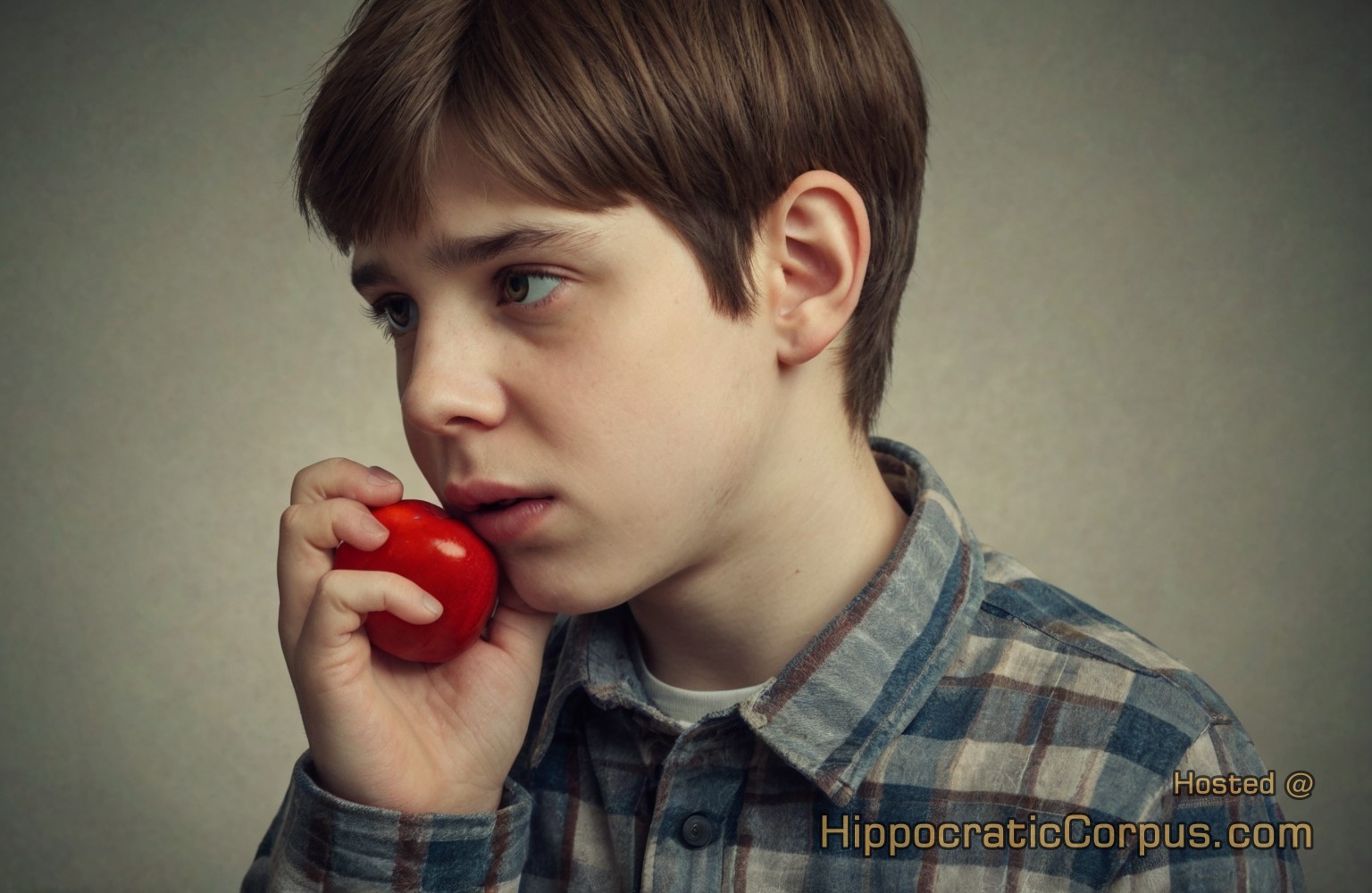
Misophonia, a condition characterized by a strong emotional response to specific sounds, has gained increasing attention in recent years. People with misophonia often experience extreme anxiety, anger, or discomfort when exposed to trigger sounds such as chewing, slurping, or tapping. While misophonia is not officially recognized in the Diagnostic and Statistical Manual of Mental Disorders (DSM-5), it can have a significant impact on individuals’ daily lives and mental well-being.
One population that is particularly vulnerable to misophonia is individuals with Autism Spectrum Disorder (ASD). Autism is a developmental disorder that affects communication, social interaction, and behavior. Research has shown that individuals with ASD may be more sensitive to sensory stimuli, including sound, and may have difficulty filtering out irrelevant auditory information. This heightened sensitivity to external stimuli may contribute to the development of misophonia in individuals with autism.
Several studies have explored the relationship between misophonia and autism, shedding light on how these two conditions intersect. For example, a study published in the journal Research in Developmental Disabilities found that individuals with ASD were more likely to experience misophonia symptoms compared to individuals without ASD. The researchers suggested that sensory sensitivities and processing differences in individuals with autism may contribute to the development of misophonia.
Furthermore, experts have noted that individuals with autism may have difficulty regulating their emotional responses to sensory stimuli, leading to heightened reactions to trigger sounds. Dr. Jennifer Jo Brout, a leading expert on misophonia, has emphasized the importance of recognizing and addressing misophonia in individuals with autism. She has highlighted the need for interventions that focus on sensory regulation and coping strategies to help individuals with autism manage their reactions to trigger sounds.
The prevalence of misophonia among individuals with autism remains unclear, as research on this topic is still emerging. However, anecdotal evidence and clinical observations suggest that misophonia may be more common in individuals with autism compared to the general population. As awareness of misophonia grows, it is essential for healthcare providers and educators to consider the impact of trigger sounds on individuals with autism and to provide appropriate support and accommodations.
In conclusion, misophonia can have a significant impact on individuals with autism, exacerbating sensory sensitivities and emotional regulation difficulties. Further research is needed to better understand the relationship between misophonia and autism and to develop effective interventions for individuals with both conditions. By recognizing the intersection of misophonia and autism, we can better support individuals with autism in managing their sensory challenges and improving their overall quality of life.