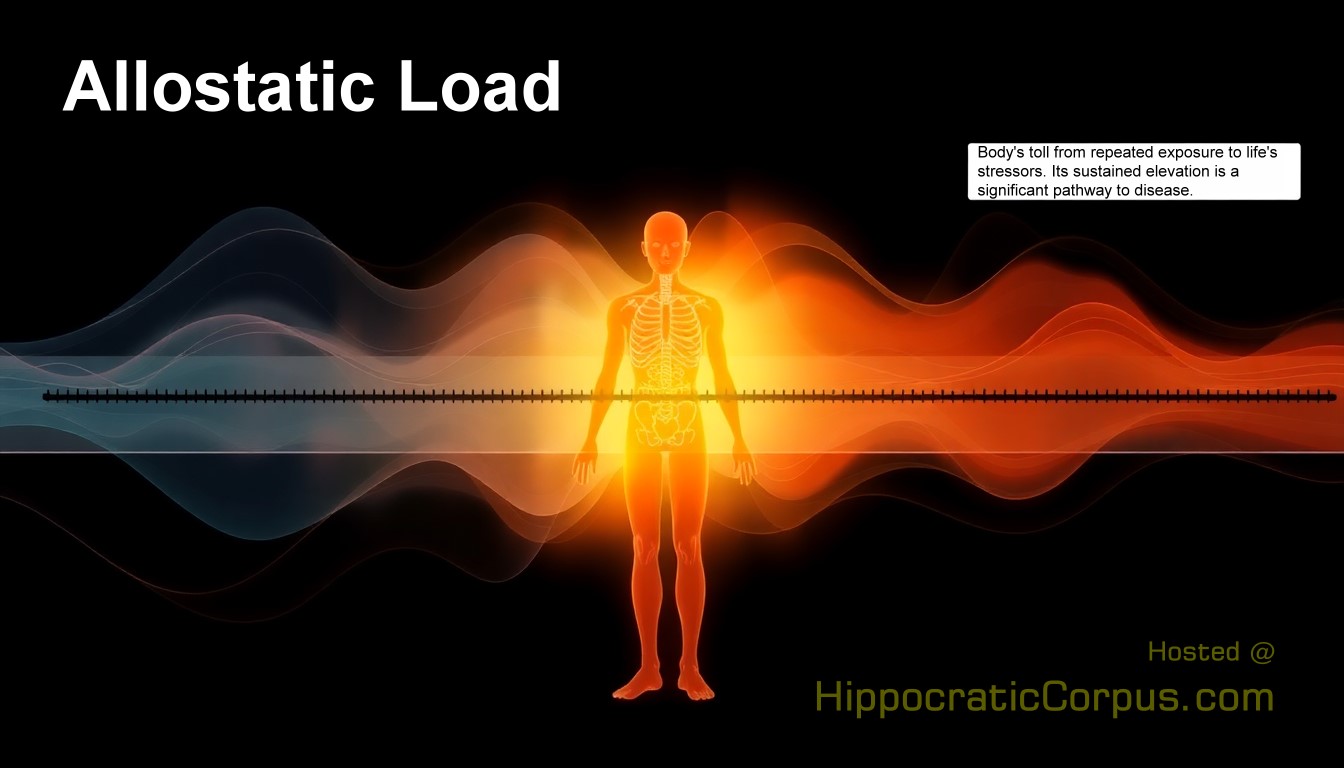
Allostatic Load is a concept that helps explain the cumulative toll stress can take on both the body and the mind. This framework is particularly useful in highlighting the connection between everyday pressures — such as work deadlines, financial concerns, and personal relationships — and long-term health outcomes. Exploring the mechanisms and impact of allostatic load allows us to gain insights into how chronic stress may affect health and well-being, as well as how we can best manage it.
What Is Allostatic Load?
Allostasis refers to the body’s ability to achieve stability through change. In response to stressors — whether physical, emotional, or psychological — the human body engages various systems to adapt and maintain balance. However, when stressors are chronic or excessive, these adaptive responses can become dysregulated.
- Definition: Allostatic load signifies the “wear and tear” on the body when the stress response system stays consistently active, straining numerous bodily systems over time.
- Core Mechanisms: Stress hormones such as cortisol, adrenaline, and noradrenaline, when secreted continuously, can contribute to elevated blood pressure, blood sugar imbalances, and heightened inflammation.
Key Components of Allostatic Load
1. Stress Response Activation
When an individual encounters a stressful situation, the hypothalamic-pituitary-adrenal (HPA) axis triggers the release of stress hormones, which prepare the body to fight or flee. This acute response is beneficial in short bursts, enhancing awareness and energy levels. However, when the HPA axis becomes overactive due to persistent stress, it can lead to chronic overstimulation, a central feature of high allostatic load.
2. Cumulative Impact of Multiple Stressors
Allostatic load takes into account the fact that people often face multiple, overlapping stressors. For instance, an individual might deal with job insecurity, familial conflict, and a high cost of living all at once. Over time, these combined challenges can compound, pushing physiological systems beyond their capacity to cope effectively.
3. Dysregulation in Bodily Systems
Chronic stress can disrupt functions in the cardiovascular, metabolic, immune, and nervous systems. Sustained dysregulation across these systems is often reflected in:
- Elevated or fluctuating cortisol levels
- Increased inflammation
- High blood pressure
- Insulin resistance
How Allostatic Load Manifests in Daily Life
- Physical Health Consequences: Research studies indicate that a high allostatic load correlates with greater risks of hypertension, obesity, and certain inflammatory conditions. In one large-scale study published in the American Journal of Public Health, participants who reported higher perceived stress and exhibited certain biological markers of chronic stress (e.g., elevated cortisol) also displayed an increased likelihood of developing long-term health issues.
- Mental and Emotional Well-being: From persistent anxiety to burnout, high allostatic load can manifest in a range of psychological effects. According to a study in Psychoneuroendocrinology, individuals with higher allostatic load scores were more prone to symptoms of depression and anxiety.
- Reduced Cognitive Function: Certain research highlights that chronic stress might impair memory and decision-making. Overactivation of stress hormones has been associated with challenges in concentration and focus, particularly among older adults.
Examples and Case Studies
- High-Pressure Occupations: First responders, surgeons, and air traffic controllers experience persistent high stress levels, not just on busy days but continuously due to the unpredictable nature of their jobs. Studies show these professionals often exhibit elevated allostatic load markers, such as higher baseline blood pressure and significant fluctuations in cortisol levels.
- Caregiving Responsibilities: Family caregivers looking after loved ones — whether they are children with special needs or older relatives — frequently report constant emotional and physical demands, contributing to chronic strain and elevated allostatic load. Longitudinal research found that caregivers who managed prolonged stress without social support were at a higher risk for compromised immune function and heart-related issues.
Identifying Signs of Elevated Allostatic Load
- Constant Fatigue: The body’s resources become depleted due to continuous stress, resulting in ongoing tiredness not relieved by normal sleep.
- Frequent Illness: Chronic dysregulation can weaken the immune response, making an individual more susceptible to routine ailments or slow recovery times.
- Sleep Disturbances: Jittery feelings, racing thoughts, and anxiety can disrupt sleep, reducing the body’s ability to recover adequately.
- Mood Swings: Emotional regulation can suffer, leading to irritability, sudden anger, or tearfulness.
Preventive and Management Strategies
1. Stress Reduction Techniques
- Mindfulness and Meditation: Research in the Journal of Clinical Psychology suggests that mindfulness-based stress reduction programs significantly decrease perceived stress and improve physiological markers of allostatic load.
- Progressive Muscle Relaxation: Tensing and relaxing muscle groups can help down-regulate the stress response and shift the body toward a calmer state.
2. Physical Activity
Engaging in regular physical exercise promotes cardiovascular health and helps modulate the stress response by reducing cortisol levels. A study in Medicine & Science in Sports & Exercise indicated that moderate exercise for 150 minutes a week can beneficially influence stress hormone secretion.
3. Adequate Sleep
Sleep is vital for restoring bodily systems. Experts recommend aiming for seven to nine hours of quality rest per night. Consistent sleep hygiene — such as maintaining a regular bedtime and limiting device use before sleep — can reduce the impact of daily stress on the body.
4. Social Support Networks
Having strong relationships and supportive communities often acts as a buffer against stress. Data published in Health Psychology revealed that individuals who reported greater social support had lower allostatic load scores and better overall health outcomes.
5. Professional Help
Sometimes, chronic stress might require assistance from mental health professionals. Cognitive Behavioral Therapy (CBT), counseling, and other therapies can be essential in managing stressors and reducing negative thought patterns that perpetuate allostatic load.
Building Resilience and Well-being
- Self-Reflection: Regularly assessing your stress levels and coping strategies can help you recognize when additional support or a change in routine is needed.
- Healthy Diet: A balanced diet nourishes the body’s stress response systems and plays a role in regulating cortisol.
- Setting Boundaries: Whether in personal or professional life, understanding your limits and learning to say “no” can be an effective way of preventing overwhelm.
- Hobbies and Downtime: Engaging in enjoyable activities — gardening, reading, or painting — can offset stress’s physiological effects by activating relaxation pathways.
Conclusion
Allostatic load underscores the importance of understanding how chronic stress, if left unchecked, contributes to a myriad of physical and psychological health challenges. By recognizing the signs and employing targeted coping strategies — ranging from physical activity and sleep hygiene to professional support — individuals can effectively mitigate the detrimental impacts of allostatic load. Ultimately, awareness and proactive measures can enable a healthier balance between the demands of everyday life and the body’s innate capacity for resilience, improving overall quality of life.
References and Additional Reading
- McEwen, B. S. & Stellar, E. (1993). Stress and the individual: Mechanisms leading to disease. Archives of Internal Medicine.
- Juster, R.-P., McEwen, B. S., & Lupien, S. J. (2010). Allostatic load biomarkers of chronic stress and impact on health and cognition. Neuroscience & Biobehavioral Reviews.
- Cohen, S., Janicki-Deverts, D., & Miller, G. E. (2007). Psychological stress and disease. JAMA.
- Geronimus, A. T., Hicken, M., Keene, D., & Bound, J. (2006). “Weathering” and age patterns of allostatic load scores among Blacks and Whites in the United States. American Journal of Public Health.
By prioritizing stress management and maintaining strong social, emotional, and physiological support systems, individuals can reduce their allostatic load and foster a healthier, more resilient life.