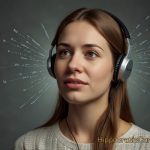
Misophonia, also known as selective sound sensitivity syndrome, is a relatively newly recognized condition characterized by strong emotional and physiological reactions to specific sounds. Individuals with misophonia often experience intense feelings of anger, anxiety, disgust, or even outright rage in response to trigger sounds such as chewing, breathing, pen clicking, or tapping. These reactions can be so severe that they significantly impact a person’s daily life and relationships.
For those suffering from misophonia, seeking professional help is essential in managing the condition and improving overall quality of life. However, the question remains – who treats misophonia? While misophonia is not yet officially recognized by the Diagnostic and Statistical Manual of Mental Disorders (DSM-5), there are various professionals who may be able to help individuals with this condition.
One option for seeking help with misophonia is to consult a psychologist or therapist who specializes in treating sensory processing disorders. According to a study published in the Journal of Clinical Psychology in Medical Settings, cognitive-behavioral therapy (CBT) has shown promise in treating misophonia by helping individuals develop coping strategies and manage their emotional responses to trigger sounds. A trained therapist can work with patients to identify specific triggers, explore underlying emotions and beliefs related to the condition, and develop personalized treatment plans.
Another potential avenue for seeking help with misophonia is to consult an audiologist or hearing healthcare professional. While misophonia is not a hearing disorder per se, some individuals with misophonia may have underlying auditory processing issues that contribute to their sensitivity to certain sounds. Audiologists can conduct comprehensive evaluations to assess auditory function and provide recommendations for managing sound sensitivity.
Additionally, individuals with misophonia may benefit from seeking support from a psychiatrist or other mental health professionals. In some cases, misophonia may co-occur with other mental health conditions such as anxiety, depression, or obsessive-compulsive disorder. A psychiatrist can evaluate for comorbid conditions, prescribe medication if necessary, and provide ongoing support and monitoring.
It is important to note that there is still much research needed to fully understand misophonia and its treatment options. As such, individuals seeking help for misophonia may need to be persistent in finding a healthcare provider who is knowledgeable about the condition and able to provide effective treatment. It is also crucial for individuals with misophonia to advocate for themselves and communicate their needs and struggles openly with their healthcare providers.
In conclusion, while misophonia can be a challenging and distressing condition, there are professionals who may be able to help individuals manage their symptoms and improve their quality of life. By seeking support from psychologists, audiologists, psychiatrists, and other healthcare providers, individuals with misophonia can work towards developing effective coping strategies and finding relief from their symptoms. Ultimately, the key to treating misophonia lies in seeking help from knowledgeable and empathetic healthcare providers who are willing to collaborate with patients in addressing this complex and misunderstood condition.