Misophonia, also known as selective sound sensitivity syndrome, is a relatively new and rapidly growing field of study in the realm of psychology and neurology. The term “misophonia” was coined by doctors Pawel Jastreboff and Margaret M. Jastreboff in 2001 to describe individuals who have an extreme emotional and physiological response to specific sounds, often referred to as trigger sounds. These trigger sounds can vary from person to person, but commonly include chewing, slurping, tapping, and breathing.
Despite misophonia being recognized as a legitimate condition, it is not yet officially recognized as a psychiatric disorder in the Diagnostic and Statistical Manual of Mental Disorders (DSM-5). However, the severity of symptoms experienced by individuals with misophonia cannot be understated. Those affected by misophonia may experience intense anger, anxiety, and even panic attacks in response to trigger sounds. This can have significant negative impacts on their daily lives, relationships, and overall well-being.
The exact cause of misophonia is still not fully understood, but research suggests that it may be related to a heightened autonomic nervous system response to specific sounds. This hyper-reactivity in the brain may be linked to abnormal functioning in the areas of the brain responsible for processing emotions and sensory information. Additionally, individuals with misophonia may also have comorbid conditions such as anxiety, OCD, or sensory processing disorders.
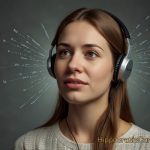
Treatment options for misophonia are still limited, as research in this area is ongoing. However, cognitive-behavioral therapy (CBT) and sound therapy are commonly recommended approaches. CBT can help individuals with misophonia reframe their thoughts and responses to trigger sounds, while sound therapy aims to desensitize individuals to trigger sounds through exposure therapy. Additionally, some individuals find relief from using noise-cancelling headphones or white noise machines to mask trigger sounds in their environment.
It is important for individuals with misophonia to seek support from mental health professionals who are knowledgeable about the condition and can provide guidance on coping strategies and treatment options. Additionally, raising awareness and understanding of misophonia in society can help reduce stigma and provide greater support for individuals affected by this condition.
In conclusion, misophonia is a complex and debilitating condition that can have significant impacts on individuals’ mental and emotional well-being. While research in this area is still evolving, it is important for healthcare professionals and society as a whole to recognize and support individuals with misophonia in managing their symptoms and improving their quality of life.