
Misophonia, also known as selective sound sensitivity syndrome, is a relatively newly recognized condition characterized by strong emotional and physiological reactions to specific sounds. Individuals with misophonia often experience intense feelings of anger, anxiety, disgust, or even outright rage in response to trigger sounds such as chewing, breathing, pen clicking, or tapping. These reactions can… Continue reading Who Treats Misophonia
Posts
Misophonia and Autism
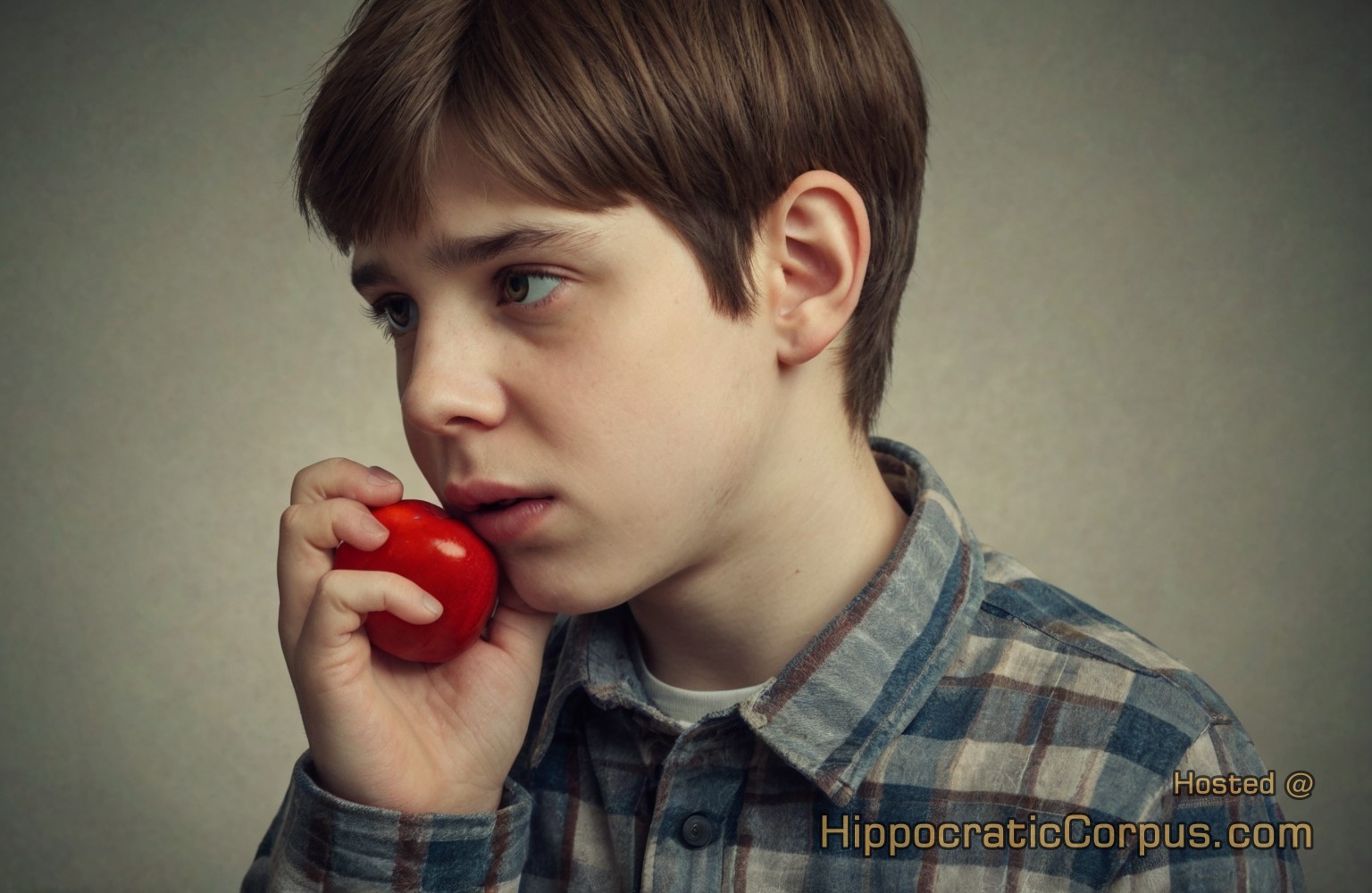
Misophonia, a condition characterized by a strong emotional response to specific sounds, has gained increasing attention in recent years. People with misophonia often experience extreme anxiety, anger, or discomfort when exposed to trigger sounds such as chewing, slurping, or tapping. While misophonia is not officially recognized in the Diagnostic and Statistical Manual of Mental Disorders… Continue reading Misophonia and Autism
Misophonia Self-Care – Strategies to Manage Symptoms and Improve Well-Being

Misophonia, also known as selective sound sensitivity syndrome, is a relatively newly recognized condition characterized by a strong emotional and physiological reaction to specific sounds. Individuals with misophonia often experience intense feelings of anger, anxiety, or disgust in response to certain triggers, such as chewing, slurping, or tapping noises. This can significantly impact their quality… Continue reading Misophonia Self-Care – Strategies to Manage Symptoms and Improve Well-Being
Misophonia Tests – How to Diagnose and Confirm the Presence of the Condition

Misophonia, also known as selective sound sensitivity syndrome, is a condition in which individuals have strong emotional and physiological responses to specific sounds. These sounds are often labeled as “trigger sounds” and can range from chewing and clicking to tapping and breathing. While the exact cause of misophonia is still unknown, researchers believe it may… Continue reading Misophonia Tests – How to Diagnose and Confirm the Presence of the Condition
Misophonia and Intelligence – Are Smart People More Sensitive to Sounds?

Misophonia, a condition characterized by an intense dislike or hatred of certain sounds, has gained recognition in recent years as a legitimate psychological disorder. Individuals suffering from misophonia typically experience strong emotional reactions, such as anger or anxiety, in response to specific trigger sounds, such as chewing, tapping, or breathing. While the exact cause of… Continue reading Misophonia and Intelligence – Are Smart People More Sensitive to Sounds?
Misophonia: The Condition That Makes Everyday Sounds Torture

Misophonia, also known as selective sound sensitivity syndrome, is a relatively new and rapidly growing field of study in the realm of psychology and neurology. The term “misophonia” was coined by doctors Pawel Jastreboff and Margaret M. Jastreboff in 2001 to describe individuals who have an extreme emotional and physiological response to specific sounds, often… Continue reading Misophonia: The Condition That Makes Everyday Sounds Torture
Martin Seligman – The Life and Work of Positive Psychologist

Martin Seligman is a renowned psychologist known for his contributions to the field of positive psychology. Throughout his career, he has conducted groundbreaking research and developed influential theories that have had a lasting impact on the field of psychology. In this article, we will explore the life and work of Martin Seligman, focusing on his… Continue reading Martin Seligman – The Life and Work of Positive Psychologist
Learned Helplessness Examples

Learned helplessness is a psychological concept that has been studied extensively in both animals and humans. It refers to a state of mind where individuals believe that they have no control over their circumstances, leading them to passively accept negative situations without attempting to change them. This phenomenon was first introduced by psychologists Martin Seligman… Continue reading Learned Helplessness Examples
What is Learned Helplessness

Learned Helplessness is a psychological phenomenon where an individual feels powerless to change or improve their situation, even when opportunities for change are present. This concept was first introduced by psychologists Martin Seligman and Steven Maier in the 1960s through a series of experiments involving dogs. In these experiments, dogs were subjected to unavoidable electric… Continue reading What is Learned Helplessness
The Scamnum Hippocratis (Hippocratic Bench) – Ancient Innovation in Orthopedic Traction

In the annals of medical history, Hippocrates of Kos stands as a towering figure, often referred to as the “Father of Medicine.” Among his many contributions to the field, the invention of the Scamnum Hippocratis, also known as the Hippocratic Bench, remains a remarkable testament to ancient ingenuity in orthopedic medicine. Origins and Purpose The… Continue reading The Scamnum Hippocratis (Hippocratic Bench) – Ancient Innovation in Orthopedic Traction