In the rich tapestry of Greek mythology, few heroes stand out as prominently as Perseus. Renowned for his daring exploits and remarkable feats, Perseus embodies the archetype of the hero who confronts insurmountable odds. His story intertwines themes of bravery, destiny, and the struggle against monstrous forces, making him a compelling figure in ancient lore. This article delves into the life, adventures, and legacy of Perseus, exploring his origins, key encounters, and the cultural significance of his myth.
Origins and Birth
Perseus was born to Danaë, the daughter of King Acrisius of Argos. Acrisius, having received a prophecy that he would be killed by his grandson, locked Danaë in a bronze chamber to prevent her from bearing children. However, Zeus, the king of the gods, transformed into a golden shower and entered the chamber, resulting in Danaë giving birth to Perseus. Fearing the prophecy, Acrisius cast Danaë and the infant Perseus into the sea in a wooden chest. They were rescued by the island of Seriphos, where they were taken in by a fisherman named Dictys.
The Quest for Medusa’s Head
Perseus’s most famous adventure began when King Polydectes of Seriphos, who desired Danaë, sought to rid himself of Perseus. He tricked Perseus into promising to bring him the head of Medusa, one of the three Gorgon sisters, whose gaze could turn anyone to stone. Armed with divine gifts, Perseus embarked on this perilous quest.
The gods aided him in various ways: Hermes provided him with winged sandals for swift travel, Athena gifted him a reflective shield to view Medusa without being turned to stone, and Hades lent him a helmet of invisibility. With these tools, Perseus located the Gorgons’ lair and, using his shield to avoid Medusa’s deadly gaze, successfully beheaded her. He placed her head in a special bag, which retained its petrifying power.
Encounters and Triumphs
On his journey back, Perseus encountered several challenges. One notable episode involved rescuing Andromeda, a princess who was chained to a rock as a sacrifice to a sea monster. Perseus, captivated by her beauty, used Medusa’s head to turn the monster to stone, saving Andromeda and subsequently marrying her.
Upon returning to Seriphos, Perseus confronted King Polydectes, who had been harassing his mother. Using Medusa’s head, he turned Polydectes and his followers to stone, thus freeing Danaë from the king’s unwanted advances.
Fulfilling the Prophecy
Despite his triumphs, the prophecy concerning Perseus’s fate loomed over him. Years later, during a sporting event, Perseus accidentally killed his grandfather, Acrisius, with a discus throw, fulfilling the prophecy he had sought to avoid. This tragic turn of events highlights the inescapable nature of fate in Greek mythology.
Legacy and Cultural Impact
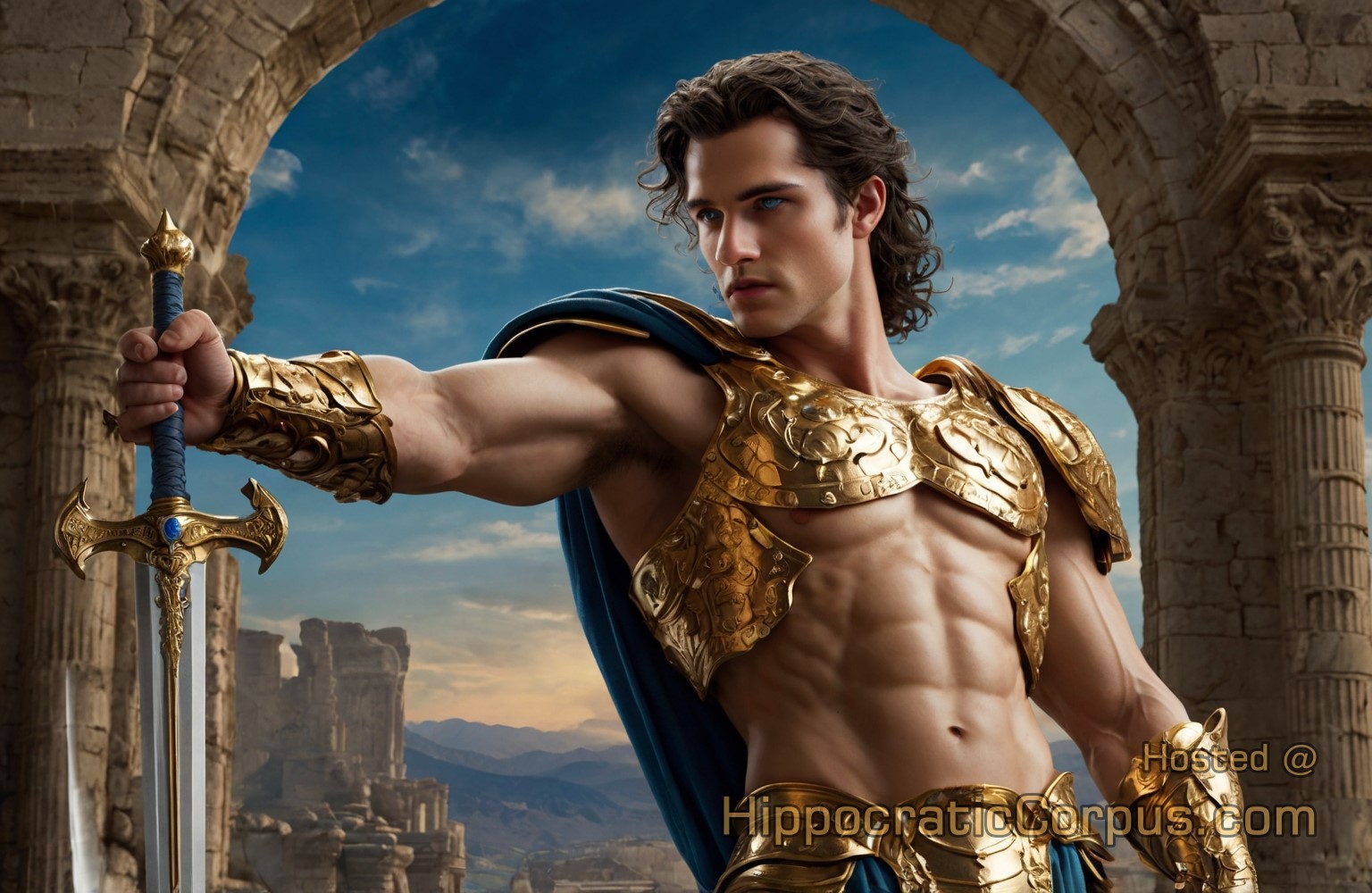
Perseus’s legacy extends beyond his mythological adventures. He is often depicted in art and literature as a symbol of heroism and the triumph of good over evil. His story has inspired countless adaptations, from ancient pottery to modern films and literature. The constellation Perseus, named in his honor, serves as a reminder of his enduring impact on culture and storytelling.
Conclusion
Perseus remains one of the most celebrated heroes of Greek mythology, embodying the qualities of courage, resourcefulness, and resilience. His adventures, particularly the quest for Medusa’s head and the rescue of Andromeda, continue to captivate audiences, illustrating timeless themes of heroism and the struggle against fate. As we explore the tales of Perseus, we are reminded of the power of myth to convey profound truths about the human experience.