In the vast tapestry of Greek mythology, filled with gods, heroes, and monstrous creatures, Typhon stands out as one of the most fearsome beings. Often depicted as a gigantic and terrifying figure, his legacy is characterized by chaos, destruction, and the embodiment of nature’s fury. As the progenitor of many notorious monsters, Typhon’s significance transcends mere myth, reflecting ancient Greeks’ understanding of disturbances in their world, both natural and supernatural.
Origins and Parentage
Typhon’s origins in Greek mythology are as chaotic as the storms he represents. He is described as the offspring of Gaia (the Earth) and Tartarus (the abyss beneath the Earth). This parentage alone highlights Typhon’s connection to both the earthly realm and the primordial chaos. According to some accounts, he was born as a response to the Olympian gods’ defeat of the Titans, symbolizing nature’s retribution and the resurgence of chaotic forces.
Physical Description
Typhon is often depicted as a horrifically monstrous figure with a myriad of serpentine limbs and a body that could rival mountains. According to Homeric and later descriptions, he has a hundred dragon heads spouting fire and smoke, each capable of producing a terrifying voice. His appearance is a kaleidoscope of horror; serpents and wild beasts emanate from him, reinforcing his alignment with the untamed aspects of nature.
The Battle with Zeus
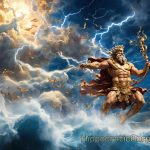
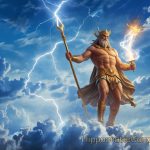
One of the most celebrated myths involving Typhon is his confrontation with Zeus, the king of the gods. After his birth, Typhon challenged the Olympians for control of the universe. The battle was cataclysmic, prompting the clash of thunder, lightning, and storms. Zeus ultimately prevailed by using his powerful thunderbolts, imprisoning Typhon under Mount Etna in Sicily. This narrative not only establishes Typhon as a formidable adversary to the Olympians but also symbolizes the triumph of order over chaos.
Offspring and Legacy
Typhon is often regarded as the father of many monstrous creatures in Greek mythology, further emphasizing his role as a nexus of terror. Among his notable descendants are:
- The Chimera: A fire-breathing creature with a lion’s head, goat’s body, and serpent’s tail.
- Cerberus: The multi-headed dog that guards the underworld, representing an insurmountable barrier between life and death.
- The Sphinx: A creature with the body of a lion and the head of a woman, known for posing riddles to travelers and devouring those who could not answer correctly.
- Hydra: A serpent-like creature with multiple heads; when one head was cut off, two more would grow in its place.
This legacy of monstrous progeny contributes to Typhon’s enduring importance in Greek mythology, highlighting the ancient Greeks’ understanding of both physical and psychological fears rooted in the natural world.
Symbolism and Interpretations
Typhon has often been seen as a symbol of unfettered chaos and the darker side of nature. His battles with Zeus reflect humanity’s struggle against natural disasters—earthquakes, storms, volcanic eruptions—which the Greeks perceived as manifestations of divine displeasure or the fury of primordial beings.
In literature, Typhon serves as an archetype of the ‘chaotic monster,’ representing the fears and anxieties of a people living in a susceptible and unpredictable environment. He also embodies the themes of rebellion and hubris, challenging the established order of the Olympian gods and serving as a reminder of the thin line between power and chaos.
Cultural Impact
Typhon’s influence extends beyond ancient mythology into contemporary culture, appearing in literature, film, and various artistic mediums. His character has been adapted and reinterpreted in modern fantasy, often as a representation of antagonistic forces or atmospheres filled with dread. Typhon’s legacy can also be seen in the modern fascination with monsters—creating narratives around chaos, darkness, and the unknown—drawing parallels between the mythology of ancient Greece and today’s storytelling.
Conclusion
Typhon embodies the primal fears of chaos and destruction in Greek mythology, standing as a monumental figure both in his own right and as the progenitor of various monsters that have persisted through the ages. His violent opposition to the Olympian gods illustrates the eternal struggle between order and chaos, a theme that resonates in many aspects of human experience. As a symbol of terror, Typhon represents both nature’s unpredictable ferocity and the monsters that lie within us, reminding future generations of the ancient Greeks’ profound relationship with the world around them.