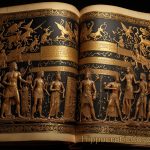
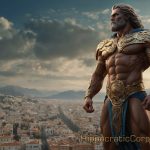
Greek mythology is a rich tapestry of ancient stories, legends, and beliefs that have captivated the imaginations of people for centuries. Rooted in the ancient Greek civilization, these myths offer a glimpse into the lives, values, and beliefs of the people who created them. From powerful gods and goddesses to epic heroes and mythical creatures, Greek mythology encompasses a vast array of characters and narratives that continue to resonate with modern audiences. In this comprehensive article, we will delve deep into the world of Greek mythology, exploring its origins, major deities, iconic myths, and enduring influence.
Origins and Significance:
Greek mythology emerged from the religious beliefs and rituals of the ancient Greeks, dating back to the Bronze Age. These myths were an integral part of their culture, serving as a means to explain natural phenomena, understand the human condition, and explore moral and ethical dilemmas. The Greeks believed that their gods and goddesses, residing on Mount Olympus, held immense power and influence over various aspects of life, including nature, love, war, and wisdom.
Major Deities:
At the heart of Greek mythology are the twelve Olympian gods and goddesses, who ruled over the cosmos and played pivotal roles in the lives of mortals. Zeus, the king of the gods, was associated with thunder and the sky, while his wife Hera was the goddess of marriage and childbirth. Poseidon, the god of the sea, and Hades, the ruler of the underworld, completed the triumvirate of powerful brothers. Other notable deities include Athena, the goddess of wisdom and warfare, Aphrodite, the goddess of love and beauty, and Apollo, the god of music, poetry, and healing.
Iconic Myths:
Greek mythology is replete with captivating stories that have become timeless classics. The myth of Prometheus, who stole fire from the gods to give to humanity, symbolizes the acquisition of knowledge and the consequences of defying divine authority. The tale of Persephone, who was abducted by Hades and became the queen of the underworld, explains the changing seasons and the cycle of life and death. The epic adventures of heroes like Heracles (Hercules), Theseus, and Odysseus showcase the triumph of courage, wit, and perseverance in the face of formidable challenges.
Mythical Creatures:
Greek mythology is teeming with a diverse array of mythical creatures that add depth and intrigue to the stories. The fearsome Chimera, a fire-breathing monster with the body of a lion, the head of a goat, and the tail of a serpent, represents chaos and destruction. The majestic Pegasus, a winged horse, embodies grace and freedom. The cunning Sphinx, with the body of a lion and the head of a human, poses riddles to those who dare to pass. These creatures, among many others, continue to capture the imagination of readers and inspire artistic interpretations.
Enduring Influence:
The impact of Greek mythology extends far beyond ancient times. Its influence can be seen in various aspects of modern culture, including literature, art, music, and even language. Many literary works, such as Homer’s “Iliad” and “Odyssey,” draw heavily from Greek mythology, as do countless contemporary novels and films. Artists throughout history have been inspired by the gods and heroes of Greek mythology, resulting in iconic sculptures, paintings, and architectural designs. Additionally, numerous English words and phrases have their roots in Greek mythology, further highlighting its enduring legacy.
Conclusion:
Greek mythology stands as a testament to the power of storytelling and the enduring nature of human imagination. Through its gods, heroes, and mythical creatures, it offers insights into the human experience, moral dilemmas, and the forces that shape our world. As we continue to explore and appreciate the depths of Greek mythology, we gain a deeper understanding of our own cultural heritage and the universal themes that connect us across time and space.