The Asklepieion in Kos is a historically significant site that holds a deep connection to the renowned Greek physician, Hippocrates. This article aims to provide a comprehensive overview of the Asklepieion, delving into its historical significance, architectural features, and its association with the father of medicine, Hippocrates.
1. Historical Background:
The Asklepieion in Kos, located on the Greek island of Kos, is an ancient healing sanctuary dedicated to the Greek god of medicine, Asklepios. It dates back to the 4th century BCE and played a crucial role in the development of medical practices during ancient times.
2. Architectural Features:
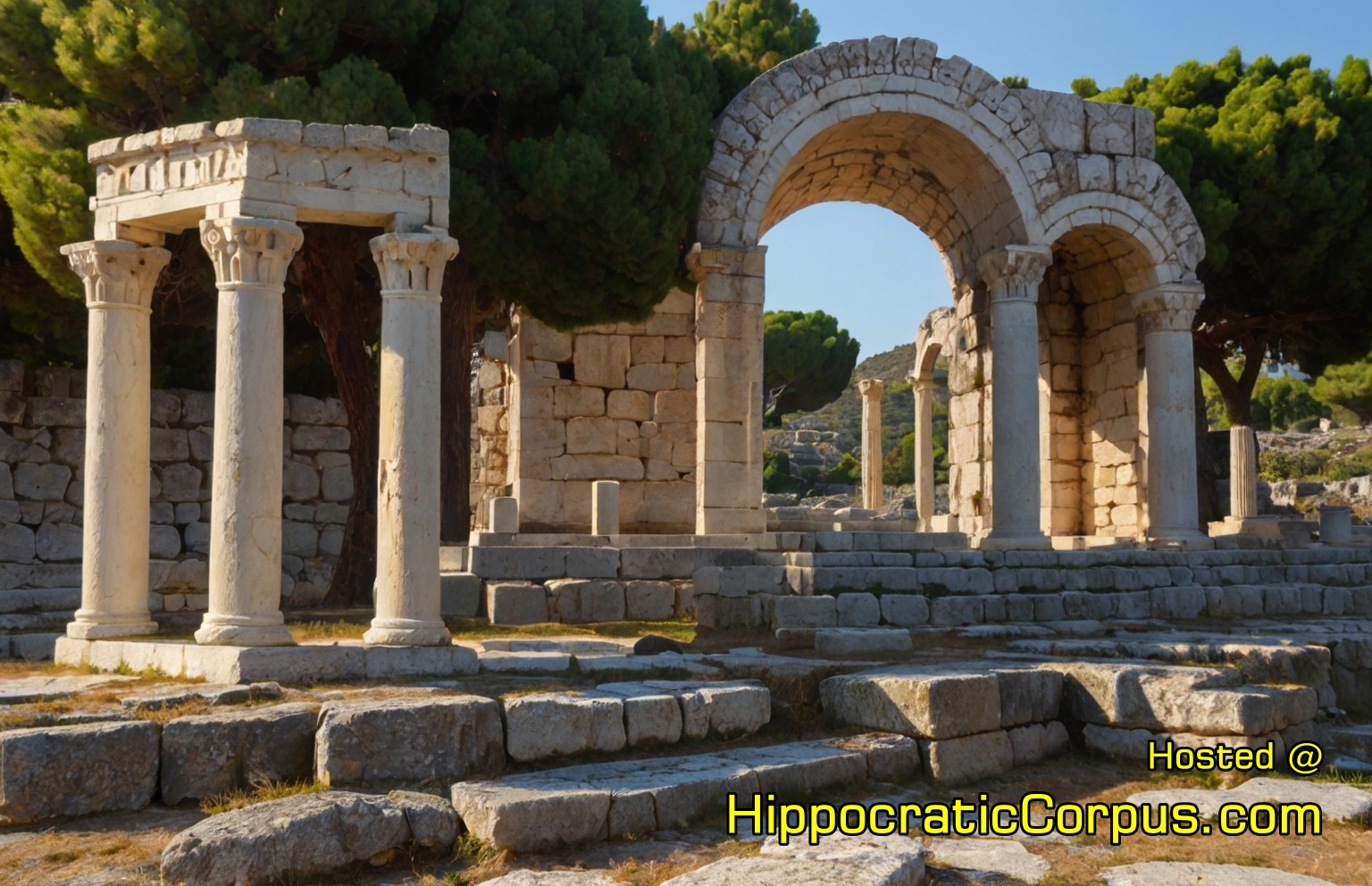
The Asklepieion is known for its impressive architectural design, reflecting the grandeur of ancient Greek civilization. The site consists of several interconnected buildings, including temples, stoas, and a theater. The main temple, known as the Doric Temple, was dedicated to Asklepius and served as the focal point of the sanctuary.
3. Connection to Hippocrates:
The Asklepieion holds a special significance due to its association with Hippocrates, often referred to as the “Father of Medicine.” Hippocrates was born on the island of Kos and is believed to have received his medical education at the Asklepieion. It is here that he developed his holistic approach to medicine, emphasizing the importance of observation, diagnosis, and ethical medical practices.
4. Medical Practices and Healing Rituals:
The Asklepieion was not only a place of worship but also a center for healing and medical education. Patients seeking treatment would undergo a series of rituals and ceremonies, including purification baths, sacrifices, and sleep in the temple’s dormitories. These practices were believed to facilitate healing and provide spiritual solace.
5. Influence on Medical Knowledge:
Hippocrates’ association with the Asklepieion in Kos contributed significantly to the advancement of medical knowledge. His teachings and observations formed the basis of the Hippocratic Corpus, a collection of medical texts that laid the foundation for Western medicine. The Asklepieion served as a hub for medical research, attracting scholars and physicians from all over the ancient world.
6. Preservation and Modern Significance:
Despite the passage of time, the Asklepieion in Kos has managed to preserve its historical and cultural significance. Today, it stands as a testament to the ancient healing practices and the enduring legacy of Hippocrates. The site attracts visitors from around the globe, offering a glimpse into the rich medical history of ancient Greece.
Conclusion:
The Asklepieion in Kos stands as a remarkable testament to the ancient healing practices and the profound influence of Hippocrates. Its architectural splendor and historical significance make it a must-visit destination for those interested in the history of medicine. By exploring the Asklepieion, visitors can gain a deeper understanding of the origins of medical knowledge and appreciate the enduring legacy of Hippocrates, the Father of Medicine.