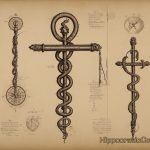
In ancient Greece, the Asclepieion was a sacred place dedicated to the god Asclepius, the Greek god of healing and medicine. These healing temples were significant centers for medical treatment, spiritual healing, and overall well-being. Let’s delve deep into the matter and explore all aspects of Asclepieions.
History and Origins:
The origins of Asclepieions can be traced back to the 6th century BCE. The most famous Asclepieion was located in Epidaurus, but numerous others were scattered throughout Greece and its colonies. These temples were often built in serene and natural surroundings, such as hillsides or near springs, to create a peaceful and healing environment.
Function and Structure:
Asclepieions were not merely places of worship but also served as medical facilities. They were staffed by priests known as Asclepiades, who were trained in medicine and healing practices. Patients seeking treatment would come to the Asclepieion and undergo a process known as incubation.
Incubation and Healing Rituals:
Incubation involved spending the night in the temple’s sleeping quarters, known as abaton, where patients would have vivid dreams or visions. These dreams were believed to be messages from Asclepius, providing guidance for diagnosis, treatment, and healing. The next day, the patients would share their dreams with the priests, who would interpret them and prescribe appropriate treatments.
Treatment Methods:
The treatments offered at Asclepieions were diverse and included a combination of medical, psychological, and spiritual approaches. Medical treatments involved the use of herbs, potions, and surgeries. Psychological therapies, such as music, art, and drama, were also employed to promote emotional well-being. Additionally, spiritual rituals, sacrifices, and prayers were performed to seek divine intervention for healing.
Architectural Features:
Asclepieions were architecturally impressive structures. They typically consisted of several buildings, including temples, sleeping quarters, baths, theaters, and libraries. The temples were adorned with beautiful sculptures and artwork, often depicting scenes related to healing and medicine. The theaters were used for performances and therapeutic entertainment, believed to have a positive impact on patients’ mental and emotional states.
Legacy and Influence:
Asclepieions played a significant role in ancient Greek society and had a lasting impact on the development of medicine and healing practices. The knowledge and techniques developed within these temples were passed down through generations, influencing the foundations of Western medicine. The Hippocratic School of Medicine, founded by Hippocrates, was closely associated with Asclepieions and their teachings.
Conclusion:
The Asclepieions of ancient Greece were more than just healing temples; they were centers of medical treatment, spiritual healing, and overall well-being. These sacred places provided a holistic approach to healthcare, combining medical, psychological, and spiritual practices. The influence of Asclepieions on the development of medicine and healing practices cannot be overstated, and their legacy continues to inspire and guide modern healthcare practices.