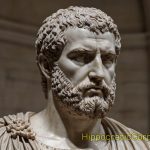
Hippocrates, often referred to as the “Father of Medicine,” was an ancient Greek physician who revolutionized the field of healthcare. Among his many contributions, one notable aspect of his medical philosophy was his support for fasting and his recommendation of abstinence from food. In this article, we will delve deep into the matter, covering all aspects of Hippocrates’ views on fasting and its potential benefits for human health.
Historical Context:
To understand Hippocrates’ advocacy for fasting, it is crucial to consider the historical context in which he practiced medicine. Hippocrates lived during the 5th century BCE, a time when the understanding of human physiology and the causes of diseases were still in their infancy. In this era, the belief in the balance of bodily humors and the concept of “nature as healer” were prevalent.
Hippocratic Theory of Fasting:
Hippocrates believed that fasting played a vital role in maintaining and restoring the body’s natural balance. According to his theory, diseases were caused by an imbalance of bodily humors, and fasting was seen as a means to restore equilibrium. By abstaining from food, the body could focus its energy on self-healing and eliminating toxins.
Benefits of Fasting:
- Rest and Reset: Fasting provided the digestive system with a much-needed break, allowing it to rest and reset. This period of rest allowed the body to redirect its energy towards healing and repairing damaged tissues.
- Detoxification: Hippocrates believed that fasting facilitated the elimination of toxins from the body. By abstaining from food, the body could effectively cleanse itself, promoting overall well-being.
- Enhancing Digestive Function: Fasting was thought to improve digestive function by giving the digestive organs time to recover and rejuvenate. This, in turn, could lead to better absorption of nutrients and improved overall digestion.
- Strengthening Self-Healing Mechanisms: Hippocrates believed that fasting stimulated the body’s self-healing mechanisms. By allowing the body to focus on healing rather than digestion, fasting could potentially accelerate the recovery process.
Modern Perspectives on Fasting:
While Hippocrates’ theories on fasting were rooted in ancient beliefs, modern research has shed light on some potential benefits of intermittent fasting. Studies suggest that intermittent fasting may have positive effects on weight management, insulin sensitivity, cellular repair, and even longevity. However, it is important to note that further research is needed to fully understand the long-term effects and potential risks associated with fasting.
Conclusion:
Hippocrates’ support for fasting and his recommendation of abstinence from food were based on his belief in the body’s innate healing abilities and the restoration of balance. While his theories were developed in a different era, they laid the foundation for the exploration of fasting’s potential benefits in modern medicine. As our understanding of human physiology continues to evolve, further research will help us uncover the true extent of fasting’s impact on human health.