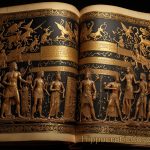
The Gorgons are among the most fascinating and fearsome figures in Greek mythology, embodying themes of beauty, terror, and transformation. Traditionally depicted as monstrous women with snakes for hair, the Gorgons have captivated the imagination of artists, writers, and scholars for centuries. This article delves into the origins, characteristics, myths, and cultural significance of the Gorgons, particularly focusing on the most famous among them – Medusa.
Origins and Family
The Gorgons are often described as the daughters of Phorcys and Ceto, primordial sea deities. In total, there are three Gorgons: Stheno, Euryale, and Medusa. While Stheno and Euryale are immortal and represent the more traditional aspects of the Gorgon myth, Medusa is unique in that she is mortal and has a tragic backstory.
- Stheno: The strongest of the three, Stheno is known for her ferocity and is often depicted as the most fearsome Gorgon.
- Euryale: Like her sister Stheno, Euryale is immortal and is characterized by her terrifying appearance and powerful abilities.
- Medusa: The most famous Gorgon, Medusa was once a beautiful maiden who was transformed into a monster as punishment by Athena. Unlike her sisters, she could be killed, which makes her story particularly poignant.
Transformation of Medusa
Medusa’s transformation is one of the most well-known tales in Greek mythology. According to Ovid’s “Metamorphoses,” Medusa was a priestess in Athena’s temple, renowned for her beauty. However, she was cursed by Athena after Poseidon, the god of the sea, violated her in the temple. As a result of this curse, Medusa’s hair was turned into snakes, and her gaze became so powerful that it could turn anyone who looked at her into stone.
This transformation serves as a complex symbol of victimization and power. Medusa, once a victim of divine wrath, becomes a figure of terror, embodying both the consequences of her circumstances and the fear of female power.
Characteristics and Powers
The Gorgons are typically depicted with several defining features:
- Hair of Snakes: The most iconic characteristic, the snakes symbolize danger and chaos. They also serve as a protective mechanism, deterring those who might seek to harm them.
- Stone Gaze: The ability to turn onlookers to stone is perhaps their most fearsome trait. This power reinforces their role as protectors of sacred spaces and as symbols of vengeance.
- Monstrous Appearance: Gorgons are often described with sharp fangs, claws, and a terrifying visage, which serves to instill fear in those who encounter them.
Myths Involving the Gorgons
The Gorgons appear in various myths, but the most notable story involves the hero Perseus. Tasked with retrieving Medusa’s head as part of a quest, Perseus receives assistance from the gods. He is given a reflective shield from Athena, winged sandals from Hermes, and a sword from Hephaestus. Using the shield to avoid direct eye contact, Perseus successfully beheads Medusa, and from her blood springs the winged horse Pegasus and the giant Chrysaor.
After her death, Medusa’s head retains its petrifying power and is used by Perseus as a weapon. He later gives it to Athena, who places it on her shield, the Aegis, further intertwining Medusa’s legacy with that of the goddess.
Cultural Significance
The Gorgons have had a profound impact on art, literature, and popular culture. They symbolize various themes, including:
- Feminine Rage and Power: Medusa, in particular, has been reinterpreted in modern contexts as a symbol of female empowerment and rage against patriarchal oppression.
- Protection and Ward Off Evil: Gorgon imagery has been used in ancient architecture and artifacts as a protective symbol, believed to ward off evil spirits.
- Transformation and Identity: The story of Medusa reflects themes of transformation, identity, and the consequences of divine intervention in human affairs.
Conclusion
The Gorgons, particularly Medusa, represent a complex interplay of beauty, terror, and transformation in Greek mythology. Their stories reflect societal attitudes towards women, power, and victimization, making them enduring figures in both ancient and contemporary narratives. As symbols of both fear and empowerment, the Gorgons continue to inspire and provoke thought across various cultural mediums, ensuring their place in the pantheon of mythological figures.