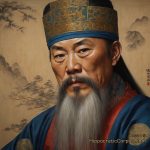
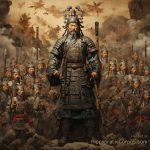
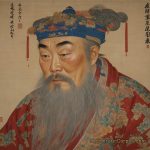
Emperor Hongwu, whose given name was Zhu Yuanzhang, played a pivotal role in shaping China’s history during the Ming Dynasty. As the founder and first emperor of the Ming Dynasty, he implemented several key measures that helped China become a dominant power. In this essay, we will explore the actions taken by Emperor Hongwu that contributed to China’s rise as a formidable force.
First and foremost, Emperor Hongwu initiated significant political reforms that aimed to consolidate his power and establish a strong central government. He implemented a system of strict governance, known as the “Hongwu Code,” which emphasized discipline, loyalty, and adherence to Confucian principles. This code helped to maintain social order and stability within the empire, enabling efficient administration and effective decision-making.
Furthermore, Emperor Hongwu implemented agrarian reforms that aimed to alleviate the suffering of the peasant class, which formed the backbone of Chinese society. He redistributed land to peasants, reducing the power of wealthy landowners and promoting a more equitable distribution of resources. This not only improved the living conditions of the peasants but also increased agricultural productivity, leading to economic growth and stability.
Emperor Hongwu also recognized the importance of education and the cultivation of talent. He established a system of civil service examinations, which allowed individuals from all social classes to compete for government positions based on their knowledge and abilities rather than their social status. This meritocratic approach to governance ensured that capable individuals were appointed to key positions, contributing to the efficiency and effectiveness of the Ming Dynasty’s administration.
In addition to internal reforms, Emperor Hongwu also focused on strengthening China’s defense capabilities. He invested heavily in the construction of a powerful navy, which played a crucial role in protecting China’s coastal regions and asserting its dominance in maritime trade. This maritime strength allowed China to expand its influence and establish diplomatic relations with neighboring countries, further enhancing its status as a dominant power.
Furthermore, Emperor Hongwu implemented policies that promoted economic growth and trade. He encouraged the development of industries, such as agriculture, manufacturing, and commerce, which stimulated economic prosperity and increased China’s wealth. This economic growth not only benefited the empire internally but also attracted foreign traders and merchants, further enhancing China’s position as a dominant economic power.
In conclusion, Emperor Hongwu’s actions were instrumental in helping China become a dominant power during the Ming Dynasty. Through political reforms, agrarian reforms, educational reforms, and military advancements, he laid the foundation for a strong and prosperous empire. His emphasis on governance, social welfare, education, and economic development contributed to China’s rise as a formidable force on both regional and global scales. Emperor Hongwu’s legacy as a visionary leader and his contributions to China’s dominance continue to be recognized and studied to this day.