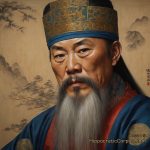
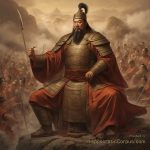
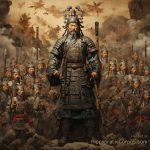
Hongwu, also known as Zhu Yuanzhang, was the founder and first emperor of the Ming Dynasty in China. As a ruler, Hongwu implemented various policies and practices that reflected his adherence to the teachings of Confucius. This essay will explore how Hongwu followed the teachings of Confucius in his governance and administration.
One of the key principles of Confucianism is the importance of moral leadership and virtuous behavior. Hongwu embraced this principle by establishing a strict moral code for his government officials. He emphasized the importance of integrity, honesty, and loyalty among his officials, and he personally set an example by leading a frugal and disciplined lifestyle. Hongwu believed that by upholding these virtues, he could create a just and harmonious society.
Another aspect of Confucian teachings that Hongwu followed was the emphasis on education and the cultivation of knowledge. Hongwu established a system of state-sponsored education, providing opportunities for talented individuals from all social classes to receive an education. He believed that education was crucial for the moral and intellectual development of individuals, and it played a vital role in the administration of the empire.
Furthermore, Hongwu implemented policies that aimed to promote social harmony and stability, which align with Confucian ideals. He emphasized the importance of filial piety, respect for elders, and the maintenance of social order. Hongwu sought to strengthen family values and promote Confucian rituals and ceremonies. He also implemented land reforms to address social inequality and ensure equitable distribution of resources, which was in line with Confucian principles of social justice.
In terms of governance, Hongwu followed Confucian teachings by emphasizing the importance of benevolent rule. He believed that the emperor had a responsibility to govern with compassion and care for the well-being of his subjects. Hongwu implemented policies to alleviate poverty, improve agricultural practices, and provide relief during times of natural disasters. He also established a system of local self-government, allowing communities to manage their own affairs and participate in decision-making processes.
Additionally, Hongwu emphasized the importance of ethical conduct and moral rectitude among his officials. He established a rigorous examination system to select government officials based on their knowledge, competence, and moral character. This system aimed to ensure that those in positions of power were virtuous and capable of serving the best interests of the people.
In conclusion, Hongwu’s governance and administration reflected his adherence to the teachings of Confucius. He emphasized moral leadership, promoted education, and implemented policies that aimed to create a just and harmonious society. Hongwu’s emphasis on virtue, social harmony, and benevolent rule align with the core principles of Confucianism. Through his actions, Hongwu sought to establish a government that embodied Confucian ideals and fostered the well-being of his subjects.