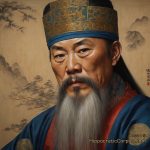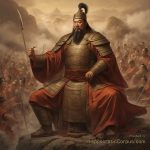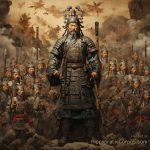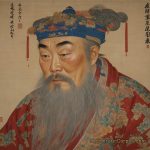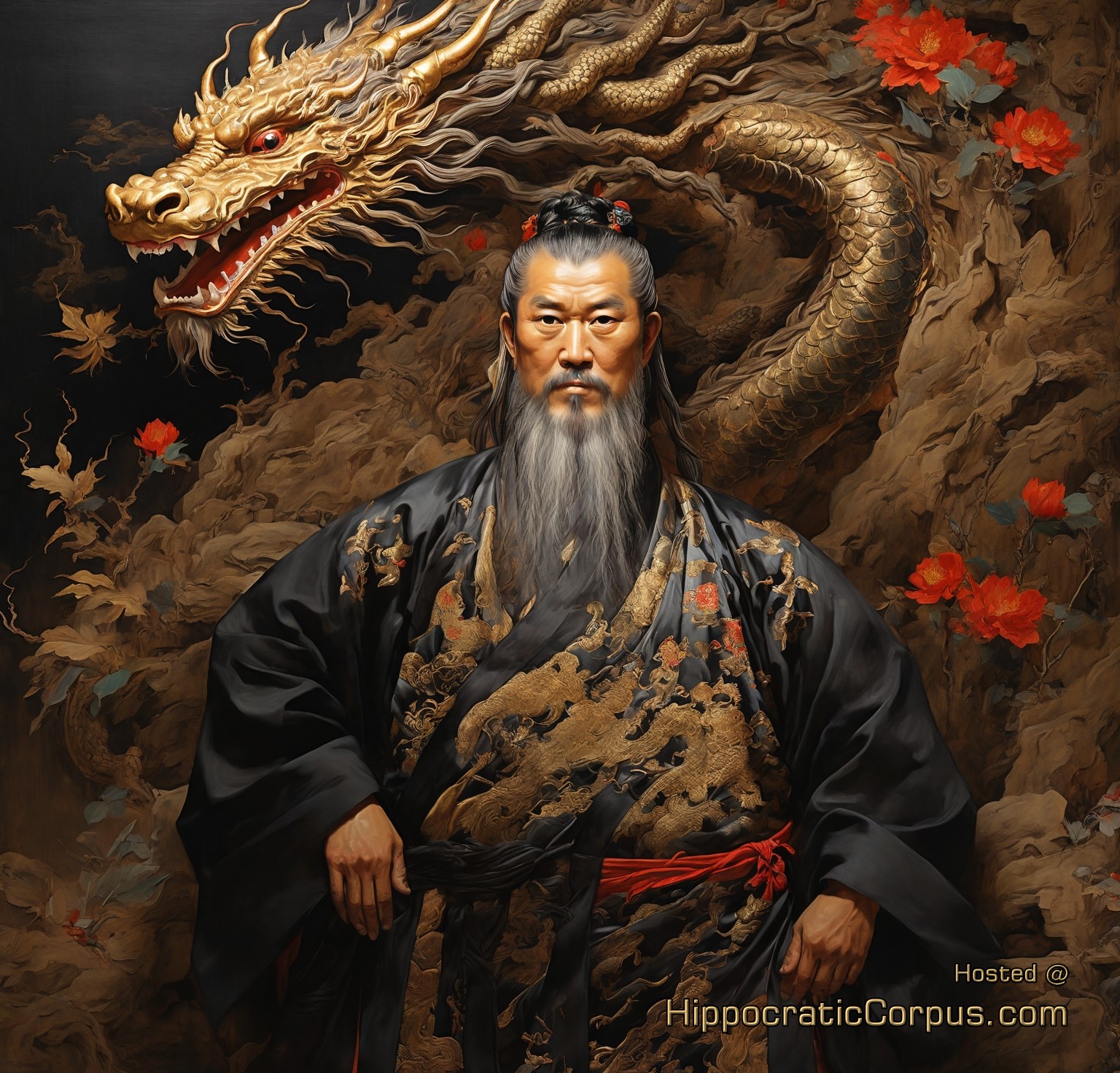
Under Emperor Hongwu, the Ming Dynasty in China reintroduced a system of government known as the Imperial Bureaucracy. This system had its roots in ancient Chinese governance and played a crucial role in shaping the administration and stability of the Ming Dynasty.
Emperor Hongwu, whose reign began in 1368, sought to establish a strong central government that would consolidate his power and maintain control over the vast territories of the Ming Empire. To achieve this, he implemented a hierarchical system of governance that relied on a well-organized bureaucracy.
At the top of the Imperial Bureaucracy was the emperor himself, who held absolute authority and was considered the Son of Heaven. Below the emperor were various government officials who were appointed based on their merit and performance rather than their noble lineage. This merit-based system was a departure from the previous dynasties, which often relied on hereditary positions.
The Imperial Bureaucracy was divided into several ministries, each responsible for specific areas of governance. These ministries included the Ministry of Personnel, which oversaw the selection and appointment of officials; the Ministry of Revenue, which managed taxation and finance; the Ministry of Rites, which handled ceremonial and religious affairs; and the Ministry of War, which was responsible for military matters.
To ensure the efficiency and integrity of the bureaucracy, Emperor Hongwu implemented a rigorous examination system known as the Imperial Examination. This system aimed to select talented individuals for government positions based on their knowledge of Confucian classics and their ability to apply Confucian principles to governance. The Imperial Examination became a cornerstone of the Ming Dynasty’s governance and continued to shape China’s civil service system for centuries.
Under Emperor Hongwu’s rule, the Imperial Bureaucracy played a crucial role in maintaining social order, collecting taxes, implementing policies, and overseeing the vast empire’s day-to-day affairs. The system helped to centralize power, reduce corruption, and ensure a degree of stability throughout the Ming Dynasty.
However, it is important to note that the Imperial Bureaucracy also had its limitations. The system’s heavy reliance on Confucianism and the exclusion of other intellectual traditions limited diversity of thought and innovation within the government. Additionally, the bureaucracy’s rigid structure and hierarchical nature sometimes hindered effective decision-making and responsiveness to local issues.
In conclusion, Emperor Hongwu reintroduced the Imperial Bureaucracy as the system of government during the Ming Dynasty. This hierarchical and merit-based system played a crucial role in consolidating power, maintaining stability, and governing the vast territories of the Ming Empire. While it had its limitations, the Imperial Bureaucracy left a lasting impact on Chinese governance and influenced subsequent dynasties’ administrative structures.