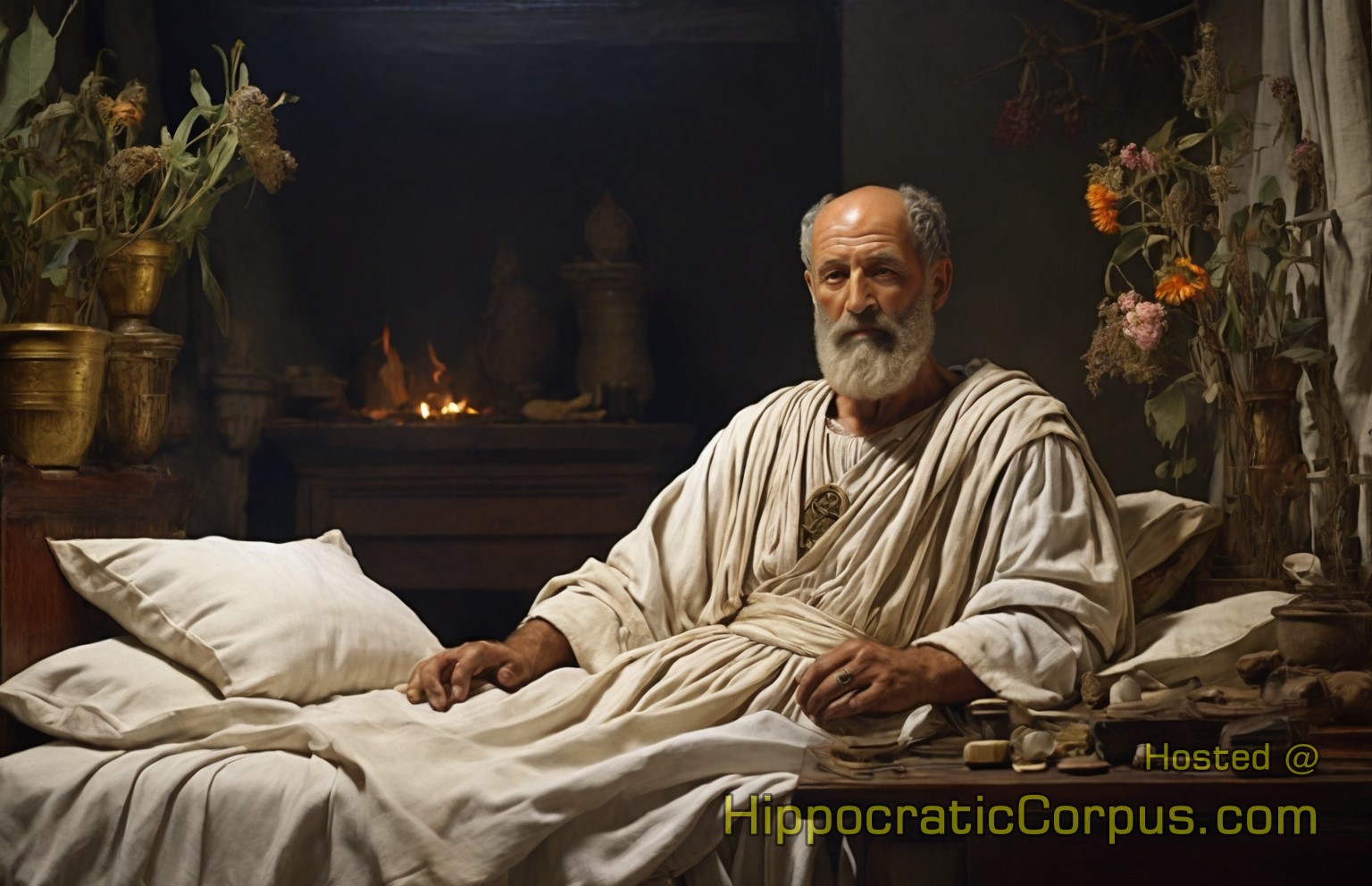
Hippocrates, the ancient Greek physician known as the “Father of Medicine,” had a holistic approach to healthcare and believed in treating the whole person rather than just the symptoms. When it comes to fever, Hippocrates would have considered it as a symptom of an underlying condition rather than a disease in itself. Here is a comprehensive overview of how Hippocrates might have approached the treatment of fever:
1. Observation and Diagnosis
Hippocrates would have started by carefully observing the patient’s symptoms and gathering information about their medical history. He believed that understanding the cause of the fever was crucial for effective treatment.
2. Humoral Theory
Hippocrates would have analyzed the patient’s symptoms in the context of the humoral theory, which posits that imbalances in the four bodily humors (blood, phlegm, yellow bile, and black bile) can lead to illness. He would have assessed the patient’s overall humoral balance to determine the underlying cause of the fever.
3. Restoring Humoral Balance
Based on his diagnosis, Hippocrates would have aimed to restore the balance of the humors. For example, if he believed the fever was caused by an excess of black bile, he might have prescribed treatments to reduce this imbalance, such as purging or bloodletting.
4. Natural Remedies
Hippocrates favored natural remedies and lifestyle modifications to support the body’s natural healing processes. He believed in the importance of diet, exercise, fresh air, and rest to promote overall health and aid in recovery from illness, including fever.
5. Herbal Medicines
Hippocrates extensively used herbal medicines in his treatments. He believed that certain herbs had specific properties that could help alleviate symptoms and restore balance. For fever, he might have recommended herbs with cooling properties, such as willow bark or mint.
6. Observation and Monitoring
Hippocrates emphasized the importance of closely monitoring the patient’s condition throughout the treatment process. He believed that careful observation of the progression of symptoms was essential for evaluating the effectiveness of the treatment and making any necessary adjustments.
It is important to note that medical knowledge and practices have evolved significantly since Hippocrates’ time. While his holistic approach and emphasis on observation still hold value, modern medicine has advanced with a deeper understanding of the causes and treatments of fever. Therefore, it is always recommended to consult a qualified healthcare professional for accurate diagnosis and appropriate treatment options for fever or any other medical condition.
Disclaimer: The information provided here is for educational purposes only and should not be considered medical advice. It is always advisable to consult a qualified healthcare professional for accurate and up-to-date medical advice.