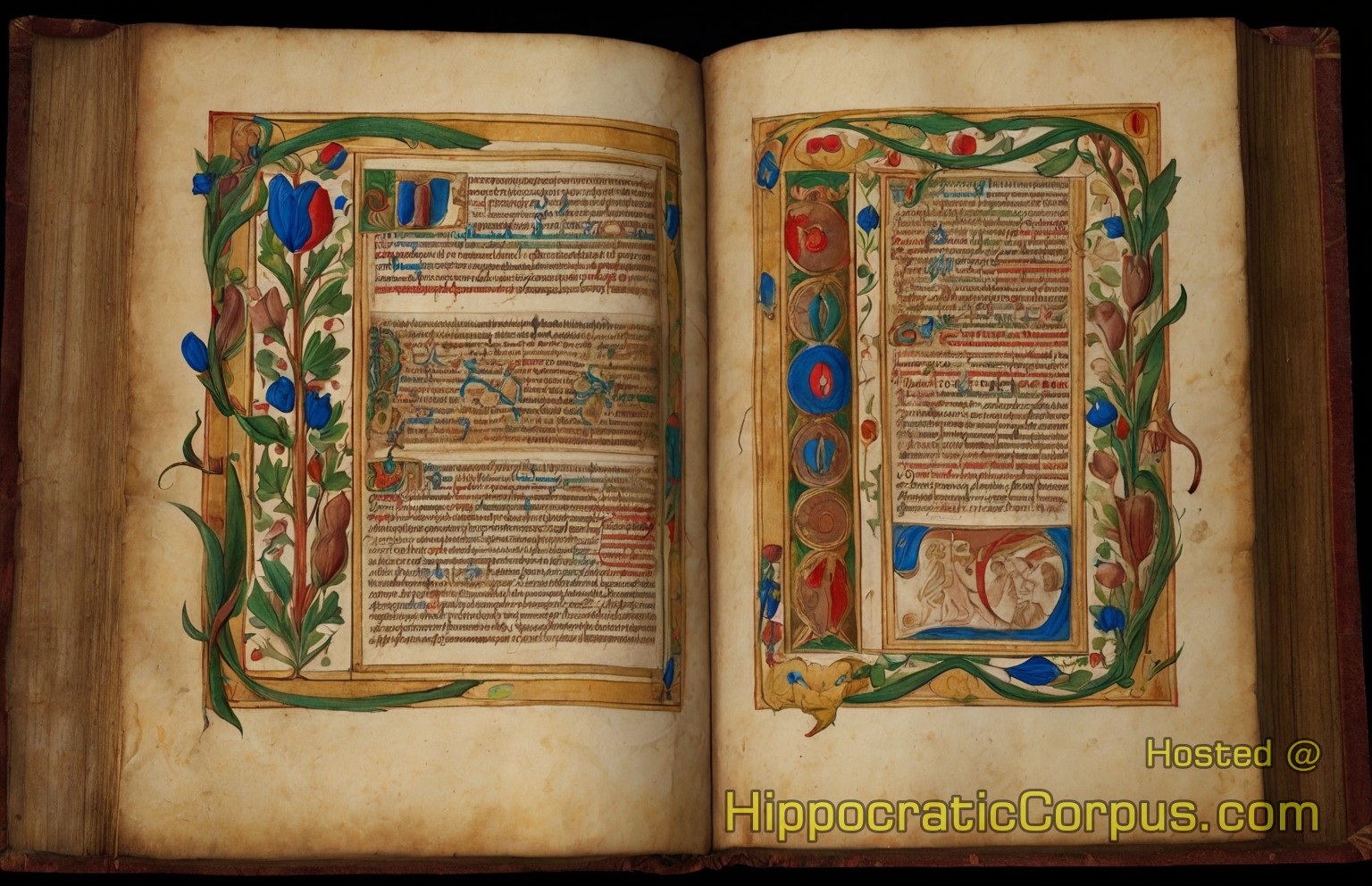
Hippocrates does not have a specific book attributed to him. Instead, he is known for his contributions to medical literature through various treatises and writings. These works, collectively known as the Hippocratic Corpus, cover a wide range of medical topics and reflect the knowledge and practices of ancient Greek medicine.
The Hippocratic Corpus is a collection of around 60 medical texts that were written between the 5th and 4th centuries BCE. While not all of these works were authored by Hippocrates himself, they were attributed to him and his school of thought. Let’s delve into some of the notable texts within the Hippocratic Corpus:
1. On Ancient Medicine
This treatise challenges traditional beliefs and superstitions in medicine, advocating for a more rational and observational approach. It emphasizes the importance of understanding the natural causes of diseases and the role of diet and lifestyle in maintaining health.
2. On the Sacred Disease (also known as “On Epilepsy”)
This work explores epilepsy, a condition that was often associated with divine or supernatural causes in ancient times. Hippocrates sought to demystify the disease by proposing a natural explanation based on brain pathology and rejecting supernatural explanations.
3. Airs, Waters, Places
This treatise examines the influence of environmental factors on health. It discusses how different climates, water sources, and geographical locations can impact the prevalence of diseases and the overall well-being of individuals.
4. On the Nature of Man
This work explores human anatomy and physiology, discussing topics such as the structure of the body, the functions of organs, and the concept of balance in maintaining health.
5. On the Art of Medicine
This treatise focuses on the principles and ethics of medical practice. It emphasizes the importance of the physician’s character, knowledge, and skills in providing effective care to patients.
These are just a few examples of the texts within the Hippocratic Corpus. Each work offers valuable insights into ancient medical knowledge, diagnostic methods, and treatment approaches. While some ideas presented in these texts may be outdated by modern standards, they laid the foundation for evidence-based medicine and the ethical principles that continue to guide medical practice today.
It is important to note that the authorship of these texts is still a subject of debate among scholars, and it is likely that they were written by multiple authors over several generations. Nonetheless, the Hippocratic Corpus remains a significant contribution to the history of medicine, showcasing the intellectual and scientific advancements of ancient Greece.