
Emperor Hongwu, whose given name was Zhu Yuanzhang, played a pivotal role in shaping China’s history during the Ming Dynasty. As the founder and first emperor of the Ming Dynasty, he implemented several key measures that helped China become a dominant power. In this essay, we will explore the actions taken by Emperor Hongwu that… Continue reading What Emperor Hongwu Did First to Help China Become a Dominant Power
Tag: Philosophy
What System of Government Was Reintroduced Under Emperor Hongwu
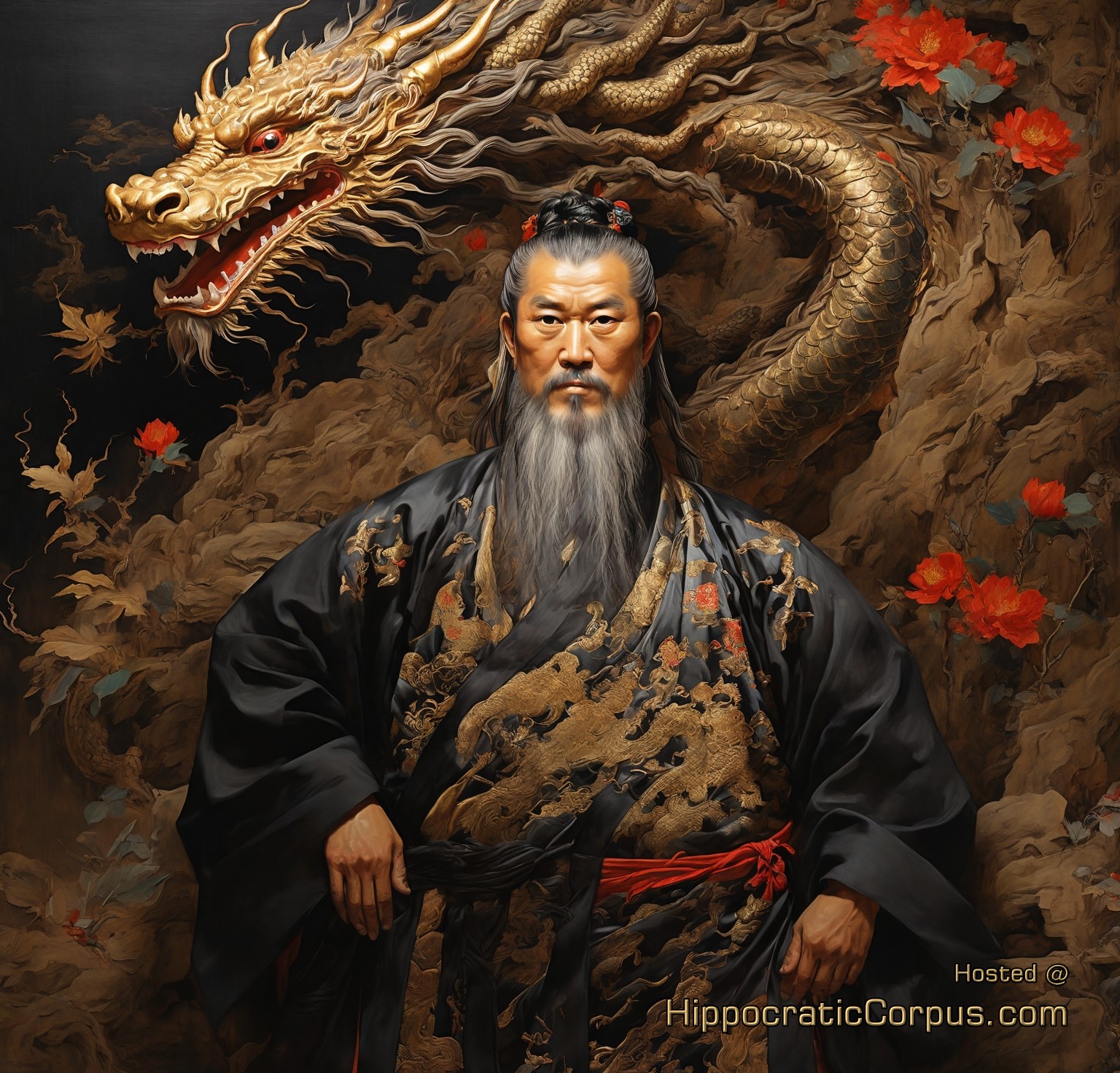
Under Emperor Hongwu, the Ming Dynasty in China reintroduced a system of government known as the Imperial Bureaucracy. This system had its roots in ancient Chinese governance and played a crucial role in shaping the administration and stability of the Ming Dynasty. Emperor Hongwu, whose reign began in 1368, sought to establish a strong central… Continue reading What System of Government Was Reintroduced Under Emperor Hongwu
Why Did Hongwu Feel That a Strong Military Was Necessary
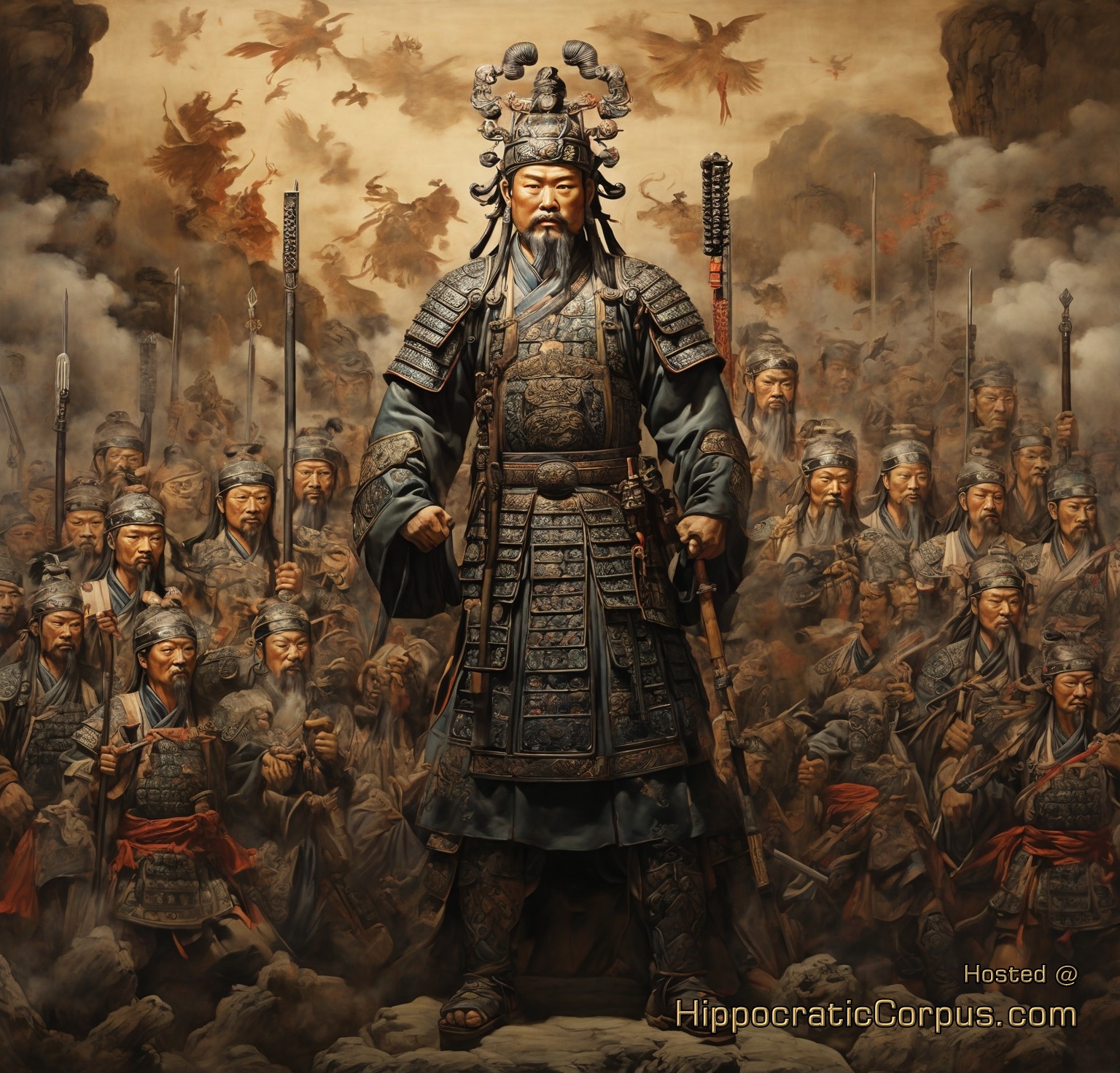
Hongwu, also known as Zhu Yuanzhang, was the founder and first emperor of the Ming Dynasty in China. During his reign, he implemented various policies and reforms to consolidate his power and establish a stable and prosperous empire. One of the key aspects of his rule was his emphasis on building a strong military. This… Continue reading Why Did Hongwu Feel That a Strong Military Was Necessary
How Did Hongwu Follow the Teachings of Confucius

Hongwu, also known as Zhu Yuanzhang, was the founder and first emperor of the Ming Dynasty in China. As a ruler, Hongwu implemented various policies and practices that reflected his adherence to the teachings of Confucius. This essay will explore how Hongwu followed the teachings of Confucius in his governance and administration. One of the… Continue reading How Did Hongwu Follow the Teachings of Confucius
Confucius: A Comprehensive Overview of His Life, Philosophy, and Legacy

Confucius (孔子), also known as Kong Qiu, was a renowned Chinese philosopher, teacher, and political figure who lived during the Spring and Autumn period of ancient China. His teachings and philosophy have had a profound and lasting impact on Chinese culture, ethics, and governance. This article aims to provide a comprehensive overview of Confucius, including… Continue reading Confucius: A Comprehensive Overview of His Life, Philosophy, and Legacy
The Three Vinegar Tasters Story with Analysis

The parable of the Three Vinegar Tasters is a metaphorical story that represents the different perspectives of three major philosophical traditions in China: Confucianism, Buddhism, and Taoism. In the tale, the three men taste vinegar and react differently, symbolizing their respective philosophies. Confucius, represented by the sour expression, embodies the principles of Confucianism. His belief… Continue reading The Three Vinegar Tasters Story with Analysis
Osho: Exploring the Life and Teachings of an Indian Mystic
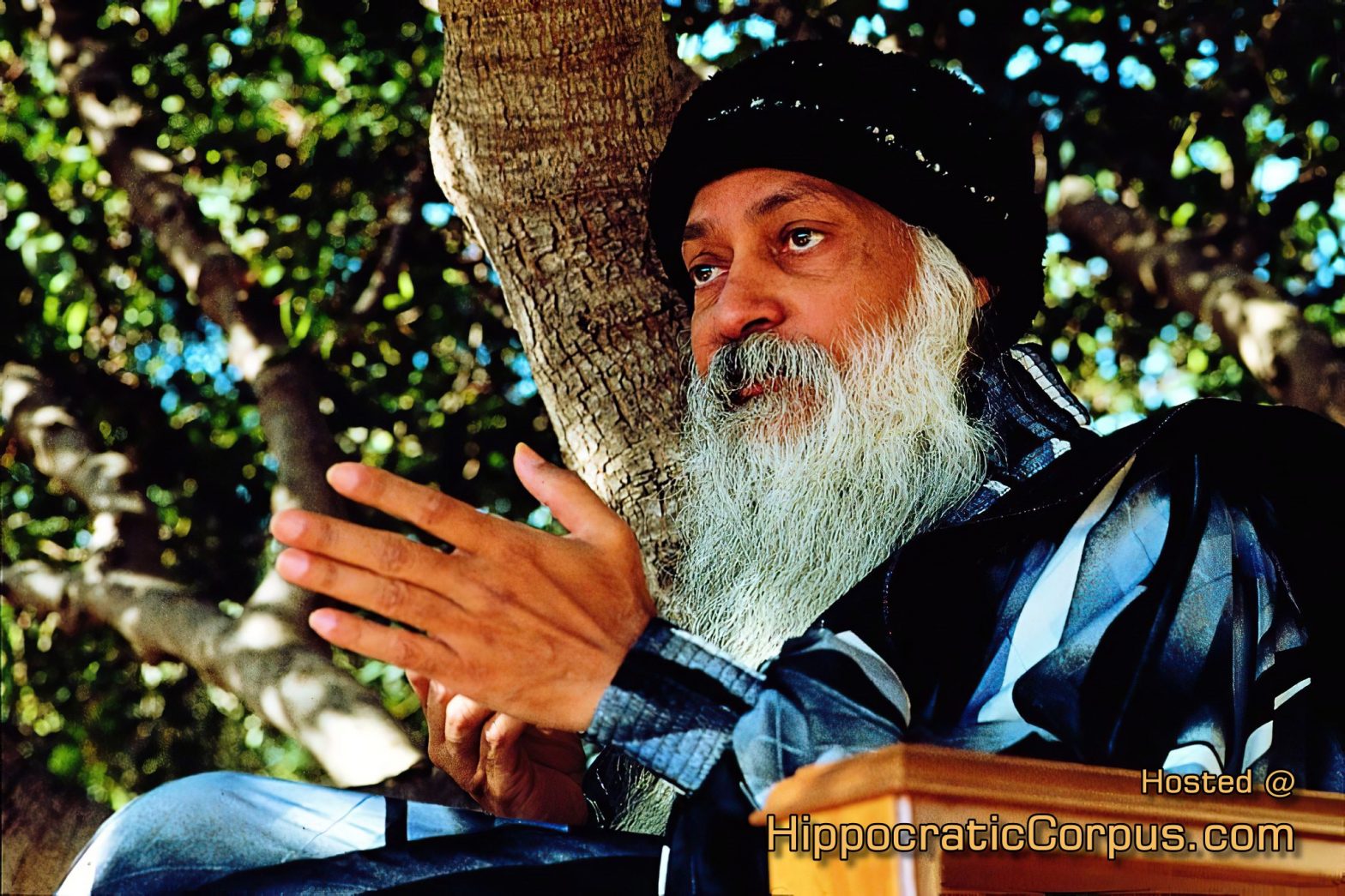
Osho, also known as Bhagwan Shree Rajneesh, was an influential Indian mystic, spiritual teacher, and philosopher. Born on December 11, 1931, in Kuchwada, Madhya Pradesh, India, Osho gained international recognition in the 1970s and 1980s for his unique approach to spirituality and personal transformation. This article delves into the life, teachings, and impact of Osho,… Continue reading Osho: Exploring the Life and Teachings of an Indian Mystic