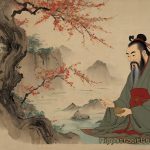
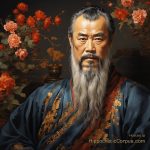
The parable of the Three Vinegar Tasters is a metaphorical story that represents the different perspectives of three major philosophical traditions in China: Confucianism, Buddhism, and Taoism. In the tale, the three men taste vinegar and react differently, symbolizing their respective philosophies.
Confucius, represented by the sour expression, embodies the principles of Confucianism. His belief in the inherent flaws of human nature is reflected in his perception of life as sour. Confucianism emphasizes the importance of moral values, social order, and the cultivation of virtue to rectify the degeneration of individuals and society. The sour taste represents the need for rules and regulations to guide human behavior and maintain harmony.
Buddha, depicted with a bitter expression, represents Buddhism. His interpretation of life as bitter reflects the Buddhist understanding of suffering and dissatisfaction. Buddhism teaches that attachment to desires and material possessions leads to suffering. By recognizing the impermanence of worldly pleasures and detaching from them, one can attain enlightenment and liberation from suffering. The bitter taste symbolizes the pervasive nature of suffering and the need to transcend it through spiritual practice.
Lao Tzu, portrayed with a sweet expression, embodies Taoism. His perception of life as sweet signifies the Taoist belief in the inherent harmony and perfection of the natural world. Taoism encourages individuals to align themselves with the natural flow of the universe, embracing simplicity, spontaneity, and non-action. By living in harmony with nature, one can experience a sense of contentment and balance. The sweet taste represents the fundamental goodness and beauty of life in its natural state.
Vinegar Tasters Analysis
The parable of the Three Vinegar Tasters is a thought-provoking tale that offers a deeper understanding of three major philosophical traditions: Confucianism, Buddhism, and Taoism. Through the reactions of Confucius, Buddha, and Lao Tzu to the taste of vinegar, the parable symbolizes their distinct perspectives on life and human nature.
The parable invites contemplation on the diverse ways in which individuals perceive and interpret the world. It highlights the contrasting philosophies of Confucianism, Buddhism, and Taoism, each offering a unique perspective on the nature of life and human existence. The parable suggests that there is no single absolute truth, but rather multiple paths to understanding and enlightenment.
Analyzed, the Three Vinegar Tasters parable serves as a powerful metaphor for the philosophical traditions of Confucianism, Buddhism, and Taoism. It encourages reflection on the different attitudes towards life and human nature, reminding us of the richness and diversity of human thought. By appreciating these varied perspectives, we can gain a deeper understanding of ourselves and the world around us.