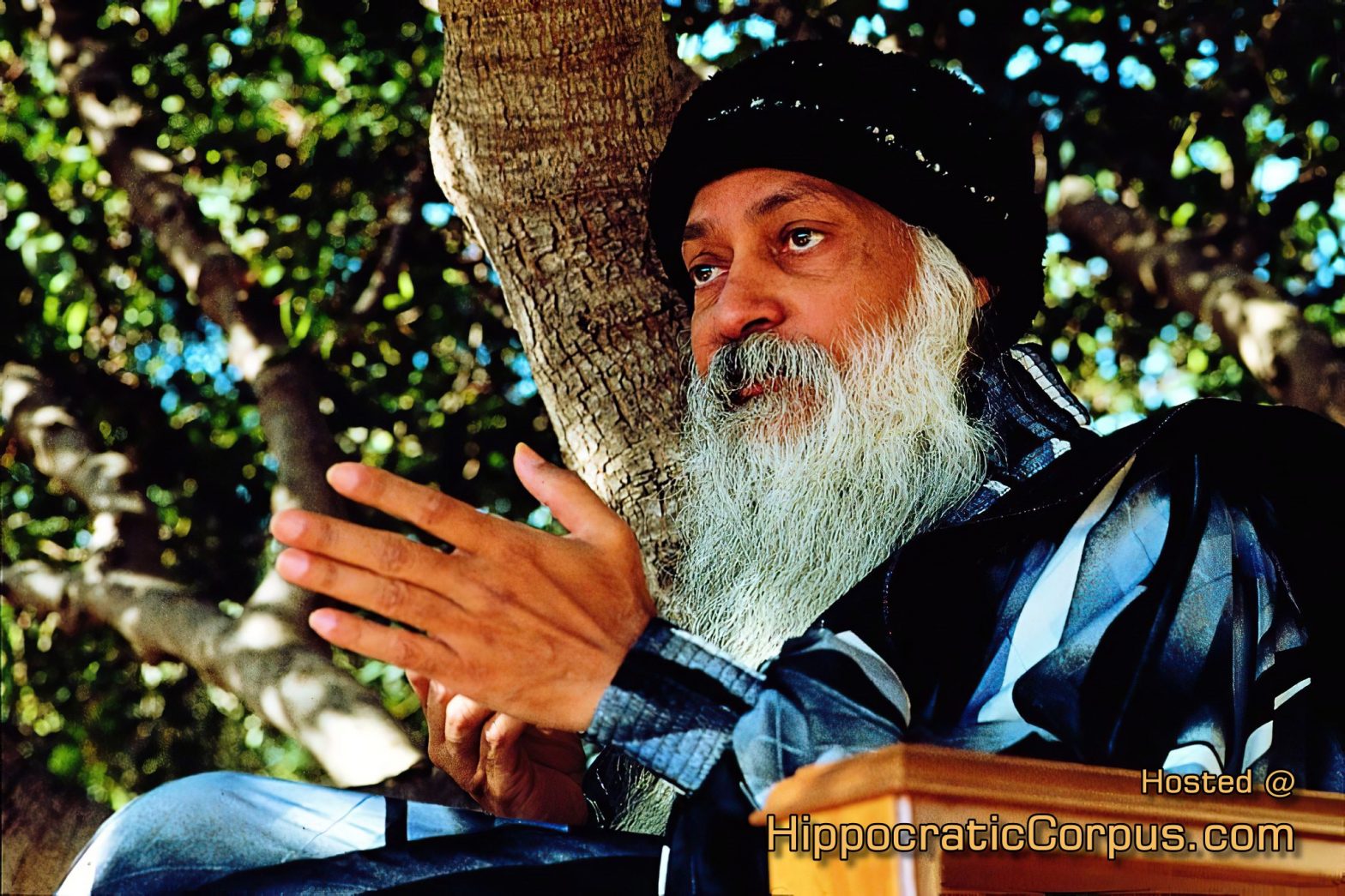
Osho, also known as Bhagwan Shree Rajneesh, was an influential Indian mystic, spiritual teacher, and philosopher. Born on December 11, 1931, in Kuchwada, Madhya Pradesh, India, Osho gained international recognition in the 1970s and 1980s for his unique approach to spirituality and personal transformation. This article delves into the life, teachings, and impact of Osho, shedding light on his philosophy and the controversies surrounding his legacy.
Early Life and Spiritual Journey:
Osho’s spiritual journey began at a young age. He was a precocious child with a deep curiosity about life’s mysteries. After completing his education in philosophy, he embarked on a quest for spiritual enlightenment, exploring various traditions and philosophies, including Zen Buddhism, Taoism, and Sufism. Osho’s encounters with different spiritual masters and his own inner experiences shaped his unique perspective on spirituality.
Teachings and Philosophy:
Osho’s teachings encompassed a wide range of topics, challenging conventional beliefs and encouraging individuals to question societal norms. He emphasized the importance of meditation as a means to attain self-realization and inner transformation. Osho believed that meditation could help individuals break free from conditioned patterns of thinking and experience a state of pure awareness. His teachings also explored the realms of love, sexuality, relationships, and the nature of existence.
Dynamic Meditation and Techniques:
One of Osho’s notable contributions was the development of dynamic meditation techniques. These techniques involved a combination of physical movement, catharsis, and silence, designed to help individuals release repressed emotions, let go of the past, and experience a deep sense of inner peace. Osho’s dynamic meditation techniques gained popularity worldwide and continue to be practiced by his followers.
Controversies and Legal Issues:
Osho’s unconventional teachings and lifestyle attracted both devoted followers and fierce critics. In the 1980s, he faced legal troubles in the United States, primarily due to allegations of immigration fraud and the formation of a controversial commune in Oregon called Rajneeshpuram. Osho was eventually deported from the United States and returned to India, where he continued to teach until his death in 1990.
Legacy and Influence:
Despite the controversies surrounding his life, Osho’s teachings continue to inspire and influence millions of people around the world. His books, which consist of transcriptions of his discourses, have been translated into numerous languages and remain popular among spiritual seekers. Osho’s emphasis on individual freedom, self-expression, and the importance of living in the present moment resonates with those seeking personal growth and spiritual awakening.
Conclusion:
Osho, the Indian mystic and spiritual teacher, left an indelible mark on the world of spirituality. His teachings on meditation, mindfulness, and personal transformation continue to inspire individuals to explore their own consciousness and challenge societal norms. While controversies surrounded his life, Osho’s legacy as a spiritual maverick endures, inviting seekers to embark on a journey of self-discovery and inner awakening.