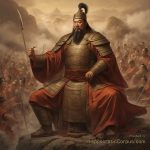
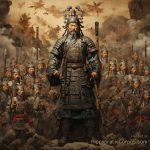
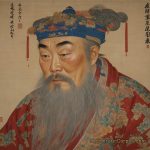
Emperor Hongwu (洪武), whose given name was Zhu Yuanzhang (朱元璋), was a significant figure in Chinese history. He was the founder and first emperor of the Ming Dynasty, one of the most influential dynasties in China. This essay will provide a comprehensive overview of Emperor Hongwu, including his background, rise to power, accomplishments, and impact on Chinese society.
Zhu Yuanzhang was born in 1328 in a poor peasant family in the Anhui province of China. During his early years, he experienced the hardships and social unrest caused by the Mongol-led Yuan Dynasty, which ruled over China at the time. In his youth, Zhu joined a Buddhist monastery, where he received education and developed a strong sense of justice and righteousness.
In the late 1340s, Zhu became involved in the Red Turban Rebellion, a popular uprising against the Yuan Dynasty. His leadership skills and military prowess quickly gained recognition, and he rose through the ranks of the rebel forces. In 1368, after years of fighting and strategic alliances, Zhu successfully overthrew the Yuan Dynasty and established the Ming Dynasty, proclaiming himself Emperor Hongwu.
As emperor, Hongwu implemented numerous reforms and policies aimed at consolidating his power and revitalizing the country. One of his first actions was to centralize authority by reducing the influence of regional warlords and establishing a strong centralized government. He also implemented a rigorous system of military and civil examinations to select officials based on merit rather than birthright, promoting social mobility and bureaucratic efficiency.
To strengthen the economy, Hongwu implemented agricultural reforms, including land redistribution and tax reductions for farmers. He also encouraged the development of industries such as silk production and maritime trade, which contributed to economic growth and prosperity during his reign.
Emperor Hongwu was known for his strict governance and emphasis on law and order. He established a comprehensive legal code, known as the Ming Code, which aimed to maintain social stability and punish corruption and criminal activities. Hongwu’s administration also implemented policies to promote education, culture, and the arts, leading to a flourishing of literature, painting, and architecture during the Ming Dynasty.
In terms of foreign policy, Hongwu sought to protect China’s borders and maintain its sovereignty. He launched military campaigns to secure the northern and western frontiers, pushing back Mongol and other nomadic tribes. Hongwu also implemented a policy of maritime trade restrictions, limiting foreign influence and protecting Chinese interests.
Emperor Hongwu’s reign lasted until his death in 1398. His accomplishments were significant and had a lasting impact on Chinese society. His establishment of the Ming Dynasty brought stability and prosperity to China after years of Mongol rule. His reforms in governance, education, and agriculture laid the foundation for a strong centralized state and contributed to social and economic development. Hongwu’s emphasis on meritocracy and social mobility set a precedent for future Chinese dynasties.
In conclusion, Emperor Hongwu, also known as Zhu Yuanzhang, was a remarkable leader who rose from humble beginnings to establish the Ming Dynasty and become the first emperor. His reign was marked by significant reforms, including centralization of power, agricultural and economic development, legal reforms, and cultural advancements. Emperor Hongwu’s legacy as a visionary ruler and his contributions to Chinese history continue to be recognized and celebrated to this day.