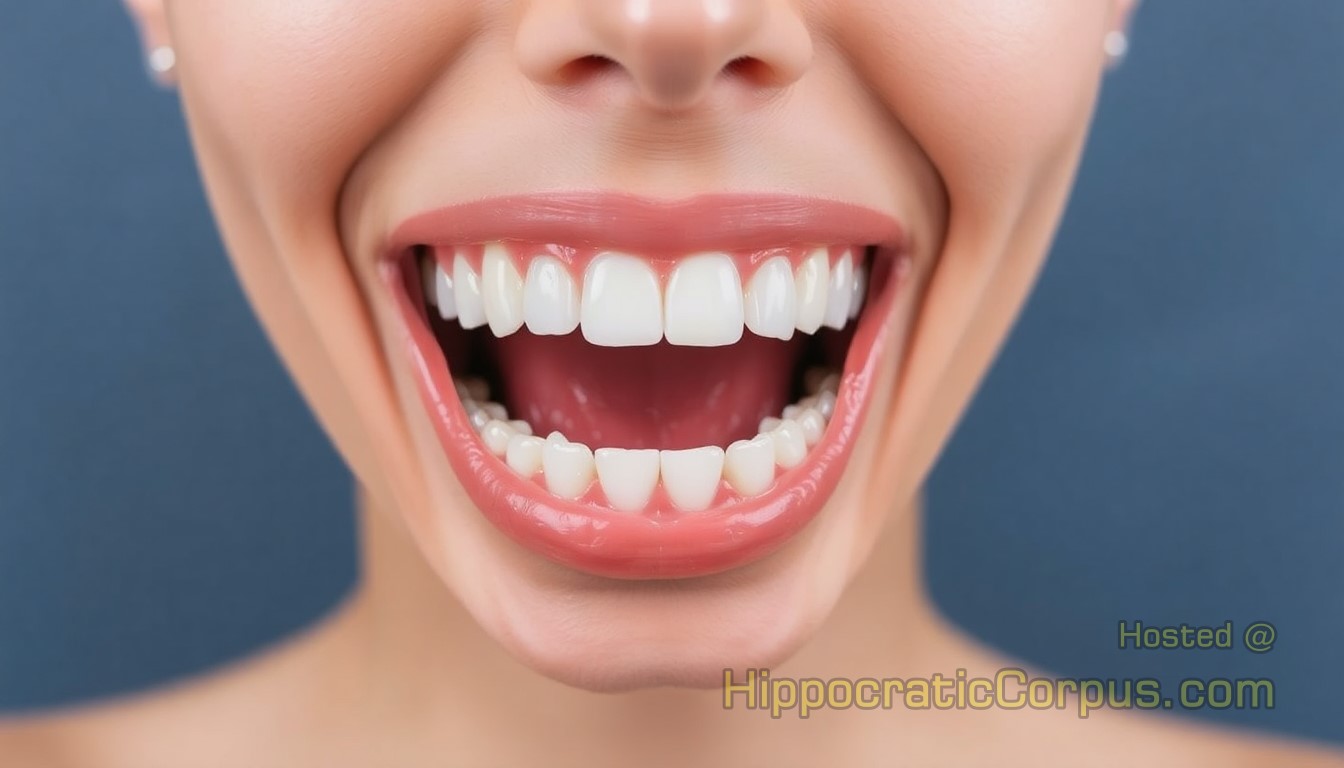
Receding gums – also known as gingival recession – impact millions of individuals worldwide. Although the causes can vary, one of the most common culprits is excessive or overly aggressive brushing. According to the American Dental Association (ADA), brushing with too much force can gradually wear down the delicate gum tissues, contributing to recession and tooth sensitivity. Drawing from traditional Ayurvedic practices, this routine aims to utilize gentle brushing techniques and natural remedies to promote healthier gums and possibly reverse early signs of recession. Below is a detailed, step-by-step guide on how to adopt an Ayurvedic daily routine for oral health.
1. Understanding the Basis of Ayurvedic Oral Care
Ayurveda, a holistic system of medicine with origins in India, places a strong emphasis on preventive care and balancing the body’s natural processes. In Ayurvedic practice, oral health is closely linked to overall well-being, and taking daily steps to nurture the gums and teeth is considered crucial.
One fundamental Ayurveda principle for oral care is dinacharya (daily routine). The routine focuses on gentle cleansing, removing toxins, and rejuvenating oral tissues – all of which may support healthier gum tissue.
2. Why Aggressive Brushing Can Harm Gums
- Enamel Erosion: Brushing too hard, even if it is only twice a day, can erode the enamel, the hard outer surface of the teeth that protects them from decay.
- Gum Recession: Overly forceful brushing can irritate and damage the soft gum tissue, leading to recession and exposing tooth roots.
- Sensitivity and Discomfort: Exposed roots often result in tooth sensitivity to hot, cold, and even sweet foods.
In a study published in the Journal of Periodontology, researchers found that brushing force played a significant role in gingival recession among participants. The conclusion was that softer, shorter strokes helped maintain gum health over time.
3. Morning Routine: Gentle Brushing for Gum Health
- Use a Soft-Bristled Toothbrush: A brush with soft bristles reduces the risk of damaging gum tissue.
- Technique for Front Teeth: Employ a gentle, circular motion to clean the front teeth. This distributes brushing pressure more evenly and helps remove plaque effectively without harming the gums.
- Technique for Back Teeth: Utilize a back-and-forth motion and maintain minimal pressure on the bristles. Tilt the brush slightly to reach the gum line and clean more thoroughly.
- Duration: Spend about two minutes brushing your teeth. According to the ADA, an effective brushing routine lasts at least two minutes, ensuring plaque removal without excessive pressure or force.
Expert Tip: If you are unsure about the pressure, try holding your toothbrush with just three fingers. This technique naturally reduces how forcefully you can brush.
4. Evening Routine in Three Steps
To accompany the morning brushing practice, Ayurveda suggests an evening routine with three steps, each targeting a different aspect of gum health.
4.1 Step One: Himalayan Pink Salt Rinse
- Preparation: Dissolve half a teaspoon of Himalayan pink salt in a small glass of lukewarm water.
- Method: Rinse your mouth thoroughly for 30 seconds, ensuring the solution contacts every corner of the oral cavity.
- Benefits: Himalayan pink salt contains minerals like magnesium, potassium, and calcium, which can help neutralize acidity in the mouth and soothe inflamed gum tissues. Saltwater rinses have long been recommended in dentistry for reducing harmful bacteria and aiding in faster gum healing.
4.2 Step Two: Oil Pulling with Sesame Oil and Crushed Cloves
- Preparation: Combine 1–2 tablespoons of sesame oil with a small pinch of crushed cloves. Allow the mixture to infuse for at least a few hours – preferably overnight – for the best effect. When ready to oil pull, take a small quantity (about a teaspoon of the infused oil) and mix with a bit of water in your mouth.
- Method: Swish the mixture around in your mouth for 1–5 minutes. Gently pull it back and forth between your teeth, but do not swallow. Spit it out in a trash bin rather than the sink to avoid potential plumbing issues.
- Benefits:
- Sesame Oil: Rich in antioxidants and has been traditionally used for oil pulling. Research published in the Indian Journal of Dental Research suggests that oil pulling may reduce harmful oral bacteria and plaque accumulation.
- Cloves: Contain eugenol, a natural compound known for its antiseptic and anti-inflammatory properties, which may help alleviate gum inflammation.
4.3 Step Three: Turmeric and Water Paste Application
- Preparation: Create a thick paste by mixing organic turmeric powder with a small amount of water. Aim for a consistency that easily spreads across gums without dripping.
- Method: Using a clean finger or a soft-bristled brush, apply the paste to your gums and teeth in a gentle, circular motion. Allow it to rest for about one minute before rinsing thoroughly with water.
- Benefits: Turmeric contains curcumin, an active compound known for its anti-inflammatory and antimicrobial properties. A study in the Journal of Contemporary Dental Practice indicates that turmeric mouthwash showed notable improvements in plaque control and gingival health, aligning with its potential to curb receding gums.
5. Additional Tips and Lifestyle Considerations
- Switch to a Gentle or Ayurvedic Toothpaste: Some commercial toothpastes contain harsh chemicals that can irritate gums. Using a mild Ayurvedic-based toothpaste may be beneficial.
- Stay Hydrated: Proper hydration helps maintain saliva flow, which is essential for neutralizing acids and preventing bacterial overgrowth in the mouth.
- Balanced Diet: A nutrient-dense diet rich in vitamins C and D, as well as minerals like calcium and phosphorus, supports strong teeth and gums from within.
- Regular Dental Checkups: Professional dental cleanings and checkups at least once or twice a year are vital for monitoring oral health and receiving early intervention if gum recession or other issues arise.
Anecdotal Case: One individual reported noticing a significant reduction in gum inflammation after two weeks of consistent evening oil pulling with sesame oil and crushed cloves. While experiences vary, many people find that introducing natural remedies complements traditional dental guidance and helps them feel more proactive in their oral care routine.
6. Conclusion
Proper brushing technique and a carefully designed evening regimen can play a transformative role in managing and even reversing early signs of receding gums. Employing a gentle approach, whether in the form of circular brushing motions or soothing natural remedies like Himalayan pink salt rinses, oil pulling with sesame oil and cloves, and turmeric paste applications, can reduce inflammation, improve oral hygiene, and eliminate harsh mechanical stress on the gums.
While these Ayurvedic strategies offer unique benefits rooted in ancient practice, it remains prudent to consult both a dental professional and potentially an Ayurvedic specialist to address individual needs. With consistency and awareness, this holistic approach has the potential to support healthy gums and stronger teeth for the long term.
References and Further Reading:
- American Dental Association. Brushing Your Teeth: https://www.ada.org.
- Journal of Periodontology: “The Association Between Tooth Brushing Force and Gingival Recession.”
- Indian Journal of Dental Research: “Oil Pulling Therapy and Its Effect on Oral Health.”
- Journal of Contemporary Dental Practice: “Efficacy of Turmeric Mouthwash in Gingivitis.”
Disclaimer: This article is for informational purposes and does not serve as a substitute for professional medical or dental advice. Always consult a healthcare professional for concerns specific to your condition.