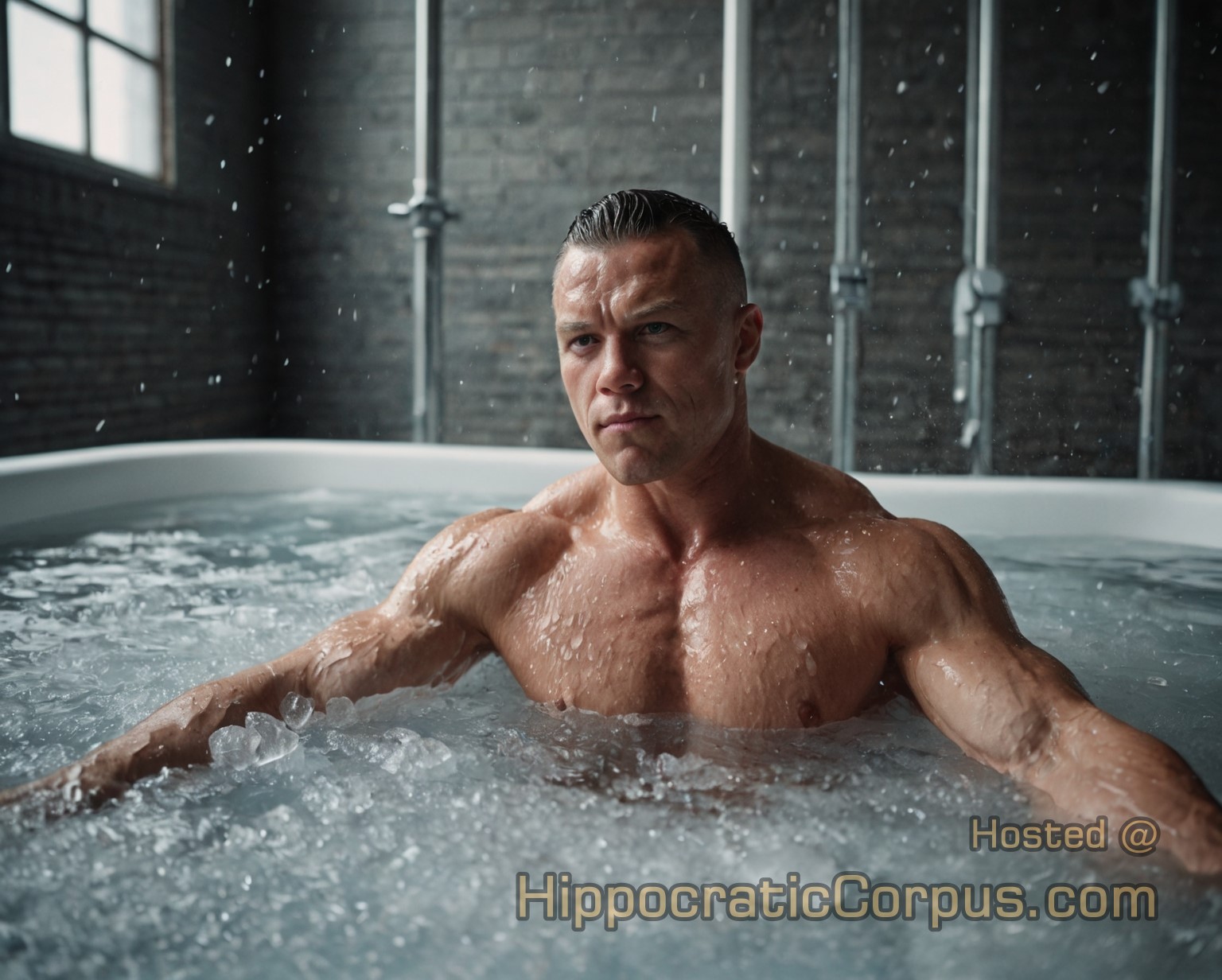
Are cold plunge a muscle killer? How to timing ice baths for maximum gains and recovery? Those are important questions and a common dilemma for those balancing recovery modalities with muscle growth. Here’s a breakdown of the science and recommendations for spacing ice baths from your workouts to maximize benefits while minimizing potential drawbacks:
The Science: Ice Baths, mTOR, and Muscle Growth
mTOR (mammalian target of rapamycin):
This is a key signaling pathway in the body that’s crucial for muscle protein synthesis (MPS). MPS is the process of building and repairing muscle tissue. After a resistance training workout, mTOR is activated, leading to increased MPS and potentially hypertrophy (muscle growth).
Ice Baths (Cold Water Immersion – CWI):
CWI has numerous benefits, including:
- Reduced inflammation and perceived muscle soreness (DOMS).
- Improved recovery.
- Possible hormonal benefits (e.g., increased norepinephrine).
- Potential positive impacts on mental resilience.
The Interference:
The concern is that CWI *might* blunt the mTOR pathway, primarily through:
Reducing inflammation:
While reducing excessive inflammation is good for recovery, some inflammation is necessary for muscle adaptation. The body’s natural inflammatory response after exercise signals muscle repair and growth. Blunting this too much might inhibit the process.
Reduced Satellite Cell Activation:
Some research suggests that cold exposure can reduce satellite cell activity, which is a critical component of muscle repair.
Recommendations for Timing Ice Baths Around Workouts
Based on current research and expert opinions, here’s a practical approach:
Prioritize Workouts:
Muscle growth should be the primary goal if you’re actively trying to build muscle. Schedule your workouts accordingly, and consider CWI strategically.
The 2-4 Hour Window:
The general consensus is to wait *at least* 2-4 hours after your workout before taking an ice bath. This allows the initial burst of mTOR activation to occur.
Why 2-4 hours?
The window for peak mTOR activation after resistance exercise is roughly 2-4 hours. This delay allows for a significant portion of the muscle building signal to be activated before potentially interfering with the process with CWI.
Beyond 4 Hours:
Waiting longer than 4 hours might be even better, although the practical benefits may diminish. After 4-6 hours, mTOR activation will likely be naturally decreasing, so the risk of interference is lower.
Consider the Type of Workout:
High Volume, Intense Workouts:
If you’ve had a particularly grueling workout with a lot of muscle damage (e.g., heavy squats, deadlifts), the 4-hour wait is even more important.
Lighter, Recovery-Focused Workouts:
You might be able to shorten the window slightly after a lighter workout that’s designed for recovery rather than hypertrophy.
Listen to Your Body:
Pay attention to how your body responds to CWI at different times. Some people might be more sensitive to the potential blunting effect. Keep a training log and note your recovery and progress.
Consider Alternative Recovery Methods:
If muscle growth is your top priority, consider other recovery strategies in the immediate post-workout window, such as:
- Proper nutrition: Adequate protein and carbohydrate intake.
- Light active recovery: Gentle walking or cycling.
- Stretching/foam rolling.
- Sleep.
- Experiment and Individualize: There’s no one-size-fits-all answer. The optimal timing will depend on your individual physiology, training intensity, diet, and other lifestyle factors. Experiment to see what works best for you.
Practical Examples:
Morning Workout:
If you train in the morning (e.g., 7-8 AM), aim for an ice bath in the afternoon (e.g., 12 PM or later). Or, consider doing it in the evening.
Evening Workout:
If you train in the evening (e.g., 5-6 PM), do the ice bath later in the evening, aiming for at least 2 hours after the workout. Or, if you find you can’t sleep after CWI, do it in the morning.
Important Considerations:
Research is Ongoing:
The research on the interaction between CWI and muscle hypertrophy is still developing. There are studies that show no significant negative impact, while others suggest a potential blunting effect.
Focus on the Big Picture:
Don’t get overly obsessive about the timing. Consistency with your training, nutrition, and sleep will have a far greater impact on your overall muscle growth than the precise timing of your ice baths.
Alternatives:
Explore alternative cold exposure methods. Some data indicates that short durations of cold exposure, even as little as 10 seconds, can provide many of the benefits with less risks.
Summary:
Wait at least 2-4 hours after your workout before taking an ice bath to allow for the initial mTOR activation to occur. Experiment and listen to your body to find what works best for you. Prioritize proper nutrition, sleep, and consistent training for optimal muscle growth. If muscle growth is a higher priority than recovery, look into cold exposure alternatives.