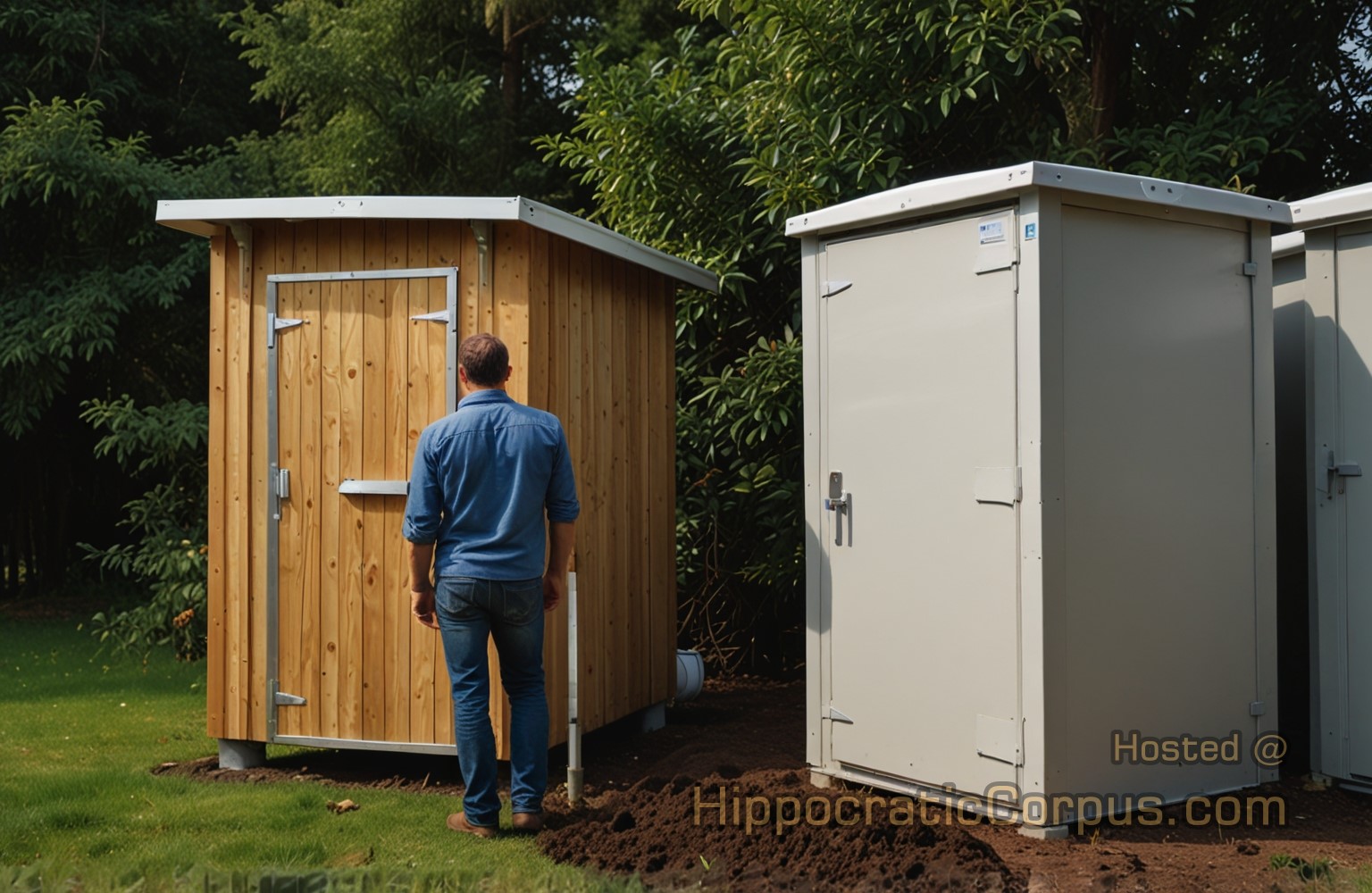
Let’s break down Composting Toilets and Vermifilter Toilets to help you decide which might be a better fit for your needs. We’ll compare them across several key criteria: installation cost, maintenance, environmental impact, usability, and potential drawbacks.
1. Understanding the Technologies
- Composting Toilets: These systems rely on aerobic decomposition (with oxygen) of human waste by microorganisms. They typically involve a container or chamber where waste and bulking agents (like sawdust, peat moss, or wood chips) are mixed. The key is maintaining the right moisture content, carbon-to-nitrogen ratio, and aeration. Different types exist: self-contained (all-in-one), central (multiple toilets feed into a single composter), and batch (composting occurs in batches that are then moved to a secondary composting area).
- Vermifilter Toilets (Worm Toilets): These systems utilize earthworms (typically *Eisenia fetida*, red wigglers) to digest and process human waste. Worms consume organic matter and excrete castings (worm poop), which are a valuable soil amendment. The waste is usually filtered through a medium (like gravel, sand, or coconut coir) where the worms live and break down the solids. Liquid effluent is then typically filtered further or used for irrigation (after proper treatment).
2. Comparison: Composting Toilets vs. Vermifilter Toilets
Installation Cost
- Composting Toilets: – Can range from relatively inexpensive (DIY, self-contained) to moderately expensive (centralized systems). Plumbing modifications often minimal or unnecessary.
- Vermifilter Toilets: – Generally more expensive than basic composting toilets. Requires careful design and construction of the filter bed/container. Could need plumbing modifications.
Use – Water Usage
- Composting Toilets: – Almost always waterless or very low-flush.
- Vermifilter Toilets: – Can be waterless, low-flush, or even full-flush (the waste is then used to irrigate the garden).
Maintenance – Labor
- Composting Toilets: – Regular addition of bulking agents (sawdust, etc.). Periodic turning/mixing of compost. Occasional removal and composting/disposal of finished compost. Potential for odor if not managed correctly.
- Vermifilter Toilets: – Relatively low labor once established. Periodic monitoring of worm health and filter bed condition. Occasional removal of worm castings.
Maintenance – Monetary
- Composting Toilets: – Cost of bulking agents (sawdust, etc.). Minimal ongoing expenses.
- Vermifilter Toilets: – Cost of initial worm population and filter media. Potentially filter media replacement cost.
Odor Control
- Composting Toilets: – Good when properly maintained (proper C:N ratio, aeration). Can smell if anaerobic conditions develop. Ventilation system often required.
- Vermifilter Toilets: – Typically very good odor control when properly designed and maintained. The worms eat the waste faster so it doesn’t stagnate and smell.
Capacity
- Composting Toilets: – Can handle varying levels of use depending on design and size. Batch systems require more capacity planning.
- Vermifilter Toilets: – Can handle high use, but capacity depends on worm population and filter bed size.
Effluent
- Composting Toilets: – Solid compost. May produce leachate (liquid) which requires proper management.
- Vermifilter Toilets: – Solid (worm castings) and treated liquid effluent. Liquid effluent may require further treatment depending on intended use.
End Product Use
- Composting Toilets: – Compost can be used as a soil amendment (check local regulations). *Not* suitable for edible crops without thorough composting and pathogen testing.
- Vermifilter Toilets: – Worm castings are an excellent soil amendment, safe for use in gardens (including edible crops). Liquid effluent can be used for irrigation (after testing).
Lifespan
- Composting Toilets: – Long lifespan with proper maintenance. Components may need replacement over time.
- Vermifilter Toilets: – Long lifespan with proper maintenance. Filter media and worm population may need replenishment/replacement over time.
Complexity
- Composting Toilets: – Simpler operation for basic systems. Centralized systems can be more complex.
- Vermifilter Toilets: – More complex to design and set up initially. Requires some knowledge of worm biology and filtration principles.
Space Requirement
- Composting Toilets: – Self-contained units require minimal space. Centralized units require significant space.
- Vermifilter Toilets: – Requires space for the filter bed. Can be incorporated into a garden setting.
Expertise Needed
- Composting Toilets: – Basic understanding of composting principles.
- Vermifilter Toilets: – Requires a deeper understanding of worm biology, filtration, and wastewater treatment.
Climate Sensitivity
- Composting Toilets: – Cold climates can slow down composting. May require insulation.
- Vermifilter Toilets: – Worms are sensitive to temperature extremes. Systems may need to be insulated or protected from freezing/extreme heat.
Pathogen Reduction
- Composting Toilets: – Can effectively reduce pathogens with proper composting (high temperatures, extended time). May require secondary composting.
- Vermifilter Toilets: – Worms significantly reduce pathogens. Filtration further reduces pathogens. Liquid effluent still needs to be tested for pathogens.
3. Pros and Cons in More Detail
Composting Toilets: Pros
- Potentially Lower Initial Cost: Simple, self-contained units can be relatively inexpensive.
- Water Conservation: Excellent for water-scarce areas.
- Reduced Sewer/Septic Load: Decreases reliance on centralized wastewater treatment.
- Simplicity (Basic Systems): Easy to understand and operate (basic models).
- Suitable for Remote Locations: Can be used where plumbing is unavailable.
- Less Space for Self-Contained Units: Minimal space taken up.
Composting Toilets: Cons
- Maintenance: Requires regular addition of bulking agents and occasional turning.
- Odor Potential: Can smell if not properly managed. Ventilation is often necessary.
- Compost Handling: Requires a plan for dealing with the finished compost.
- Pathogen Concerns: Compost *must* be properly composted to kill pathogens. Cannot use on edible crops.
- Leachate Management: Some systems produce leachate that needs to be contained.
- More labor than a vermifilter to turn the compost
Vermifilter Toilets: Pros
- Excellent Odor Control: Worms quickly consume waste, minimizing odor.
- High-Quality End Product: Worm castings are a valuable soil amendment.
- Effective Pathogen Reduction: Worms and filtration significantly reduce pathogens.
- Reduced Maintenance: Less active management compared to composting toilets.
- Can handle larger loads Worms break down waste quickly
- Low labor once the system is established
Vermifilter Toilets: Cons
- Higher Initial Cost: More complex design and construction.
- More Complex System: Requires some understanding of worm biology and filtration.
- Space Requirements: Requires space for the filter bed.
- Climate Sensitivity: Worms are sensitive to temperature extremes.
- Potential for Clogging: Filter media can clog over time if not properly managed.
- Effluent Testing: Liquid effluent needs to be tested before irrigation.
- Potential for increased pest control Depending on the type of filter, and its construction, pests may be more prone to making the vermifilter bed their home, which could lead to problems as they move into the house.
4. Economicality Breakdown
- Installation Costs: Composting toilets (especially basic self-contained units) typically have lower upfront costs. Vermifilter toilets require more materials and potentially professional installation, increasing expenses.
- Operating Costs: Composting toilets have minimal ongoing operating costs (bulking agents). Vermifilter toilets have slightly higher operating costs due to the need for initial worm purchases. Both systems require water for cleaning (except for non-flush models).
- Maintenance Costs (Money): Composting toilets might require occasional replacement of parts (fans, heating elements). Vermifilter toilets might require periodic filter media replacement.
- Maintenance Costs (Labor): Composting toilets require more active management (adding bulking agents, turning the compost). Vermifilter toilets are lower maintenance once established.
- Long-Term Value: Vermifilter toilets produce a valuable soil amendment (worm castings), potentially offsetting costs over time. Both systems reduce reliance on municipal wastewater treatment, potentially saving on utility bills.
5. Which is “Better”? It Depends…
There is no universally “better” system. The ideal choice depends on your specific circumstances and priorities:
- If your primary concerns are low initial cost, water conservation, and simplicity: A basic composting toilet might be a good option.
- If you value odor control, a high-quality soil amendment, lower long-term maintenance, and are willing to invest more upfront: A vermifilter toilet might be a better choice.
- If you live in a cold climate: Both systems can work, but you’ll need to consider insulation and temperature control.
- If you have limited space: A composting toilet (self contained) might be best, but you can also build vermifilters into existing garden beds.
- If you’re comfortable with DIY projects: You can build both types of systems yourself, but vermifilter toilets require more planning and expertise.
Recommendations:
- Do your research! Learn as much as possible about the different types of composting and vermifilter toilets.
- Consider your local climate and regulations. Some areas may have specific regulations regarding composting toilets and wastewater treatment.
- Talk to people who have experience with both types of systems. Get their insights and advice.
- Consider professional help. Consult with a plumber or wastewater treatment specialist to determine the best system for your needs.
I hope this comprehensive breakdown helps you make an informed decision! Good luck. Let’s be self-sufficient.