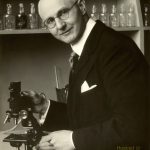
In the annals of scientific exploration into the effects of diet on health, few studies resonate as profoundly as the groundbreaking research conducted by Dr. Francis Pottenger. His seminal work not only shed light on the immediate impacts of diet on feline health but also unearthed the long-term consequences that reverberate across generations. Dr. Pottenger’s meticulous experiments with cats laid bare the detrimental effects of processed diets, offering invaluable insights into the fundamental importance of consuming raw, whole foods for optimal health. In this essay, we will delve into the intricacies of Dr. Pottenger’s study, elucidating its findings, implications, and enduring significance.
The Study:
Dr. Pottenger embarked on his journey of dietary exploration with seemingly healthy cats as his subjects. Initially fed what was considered an optimal diet, these felines suffered a startlingly high mortality rate, prompting Dr. Pottenger to scrutinize the role of diet more closely. Introducing raw meat into the cats’ diets proved transformative, markedly improving their health and resilience, particularly during adrenalectomies. This pivotal observation led Dr. Pottenger to formulate the hypothesis that the cooking process might engender nutritional deficiencies and precipitate degenerative effects.
To test his theory, Dr. Pottenger meticulously assigned cats to various dietary groups, encompassing raw, cooked, pasteurized, evaporated, and sweetened condensed milk, with each group supplemented with cod liver oil. The results of his experiments were nothing short of revelatory. Cats fed raw milk and meat exhibited superior development and vitality compared to those subsisting on cooked or processed diets.
Key Findings:
While the immediate benefits of raw diets were evident, the most profound revelations emanated from the study’s subsequent generations. Descendants of cats subjected to cooked diets manifested a litany of health afflictions, ranging from dental problems and facial deformities to asthma and impaired coordination. These maladies extended beyond mere physiological anomalies, permeating glandular function and reproductive capacity.
The second and third generations of cats bore the brunt of their ancestors’ dietary indiscretions, grappling with thyroid, adrenal, and pancreatic dysfunction. Reproductive failure loomed large on the horizon, with many cats unable to conceive or birthing stillborn offspring. Such cascading effects underscored the insidious nature of processed diets, unraveling the fabric of health across generations.
Implications:
Dr. Pottenger’s study reverberates far beyond the realm of feline physiology, serving as a poignant reminder of the profound impact of diet on overall health and well-being. By elucidating the deleterious consequences of processed foods, his research sounds a clarion call for a return to nature’s bounty – raw, whole foods teeming with essential nutrients.
Furthermore, Dr. Pottenger’s findings hold profound implications for human health. In an age dominated by processed, convenience foods, his work serves as a cautionary tale, urging us to reevaluate our dietary choices and prioritize the consumption of wholesome, unadulterated fare. The parallels between feline and human physiology are undeniable, underscoring the imperative of aligning our diets with our evolutionary heritage for optimal health outcomes.
Mainstream Attempts to Discredit the Study
While I don’t question the ethical downsides of performing studies which involve cruelty toward animals, using animals in scientific studies is done to this day by the mainstream scientists, but it is alarming that rather than using the results of Dr. Pottenger’s studies to better human health, the modern scientists try their darnest to discredit them with such claims as that the feline deficiencies were the effect of taurine deficiency. As if that somehow disproved the point that the felines fed the raw food diet did not suffer apparent effects of taurine deficiency, which would only prove the point Dr. Pottenger made – processing food leads to nutritional deficiencies.
Clandestine Genocide
As mentioned, the most significant findings came from the second and third generations – cats whose ancestors had been fed cooked diets experienced severe health issues, including dental problems, facial deformities, asthma, exhaustion, impaired coordination, and even fractures. These issues progressed to reproductive failure in the third generation, with most cats unable to reproduce or producing stillborn kittens, which would essentially lead to an extinction of the species if left unchallenged. In reverse, it took the cats harmed by the processed food 4 generations of eating raw food to return to normal health.
Furthermore, plants grown in pens where animals were fed processed milk struggled to grow. These observations emphasize the importance of raw, whole foods for proper development and health and suggest that the degenerative effects of processed foods may be passed down through generations in both animals and humans. The study also highlights the importance to consume diet suitable for the species, as doing the opposite could, as proven by Dr. Pottenger’s study, lead to the eventual extinction of our species.
Conclusion:
In the pantheon of nutritional science, few studies rival the seminal work of Dr. Francis Pottenger. His pioneering research on the effects of diet on feline health not only unraveled the perils of processed foods but also underscored the intergenerational ramifications of dietary indiscretions. As we navigate the complex landscape of modern nutrition, Dr. Pottenger’s legacy serves as a guiding beacon, reminding us of the intrinsic link between diet and health. By heeding his insights and embracing the nourishing bounty of raw, whole foods, we can chart a course towards vitality and well-being, safeguarding not only our own health but also the legacy we bequeath to future generations.